 Water damage drying
 Fire & smoke cleanup
 Mold remediation
 Storm response
 Sewage cleanup
 Reconstruction
Free visual inspection and a written scope of work before any mitigation begins - photos, moisture readings, and drying logs go in your claim file
The scope we write is the scope we bill. Anything new gets shown to you, in writing, before we touch it.
Get your free estimateFast, Reliable Mold Remediation Across Villa Park
Mold remediation in Villa Park typically runs $1,800 to $6,400 for a standard room or localized wall-cavity job, with whole-estate or multi-room projects landing between $8,000 and $22,000 depending on containment zones and structural drying scope. Most Villa Park jobs can be dispatched same-day, and because we work throughout Orange County from Newport Beach, our crews know the 92861 ZIP well enough to plan equipment staging around long driveways and horse-property gates before we roll a truck. If you’ve found mold behind a stucco wall or inside a vaulted attic, call (855) 855-9631 for a free estimate and a written scope before anyone cuts drywall.
The chapter of mold work most locals never see coming is the one that starts with a private well tank or an irrigation line. In Villa Park, where nearly every estate sits outside municipal water utility oversight, mold frequently traces back to a slow supply-line weep inside a wall cavity, not a roof leak or a window failure. That changes how a remediation job should be scoped: you don’t just dry the visible patch and walk away. You find the source, map the wet boundary, and document pre-loss condition with moisture readings and drying logs. That’s the only way the fix holds through the next Santa Ana season, and it’s the difference between an insurance file that settles and one that stalls.
Why Guild Water Damage Is Villa Park’s Preferred Mold Remediation Company
Villa Park is a referral-and-reputation market. One homeowner’s bad restoration experience travels through the neighborhood faster than any marketing campaign, and that’s precisely the environment where a credential-backed, protocol-driven crew earns its place. Guild Water Damage runs every mold job on a documented, repeatable process rather than a technician’s gut feel. The company holds IICRC certification, the restoration industry’s gold-standard technical credential, and maintains RIA and IFA affiliations that most local contractors cannot claim. That combination matters when you’re trusting someone to open a wall cavity in a half-million-dollar custom estate.
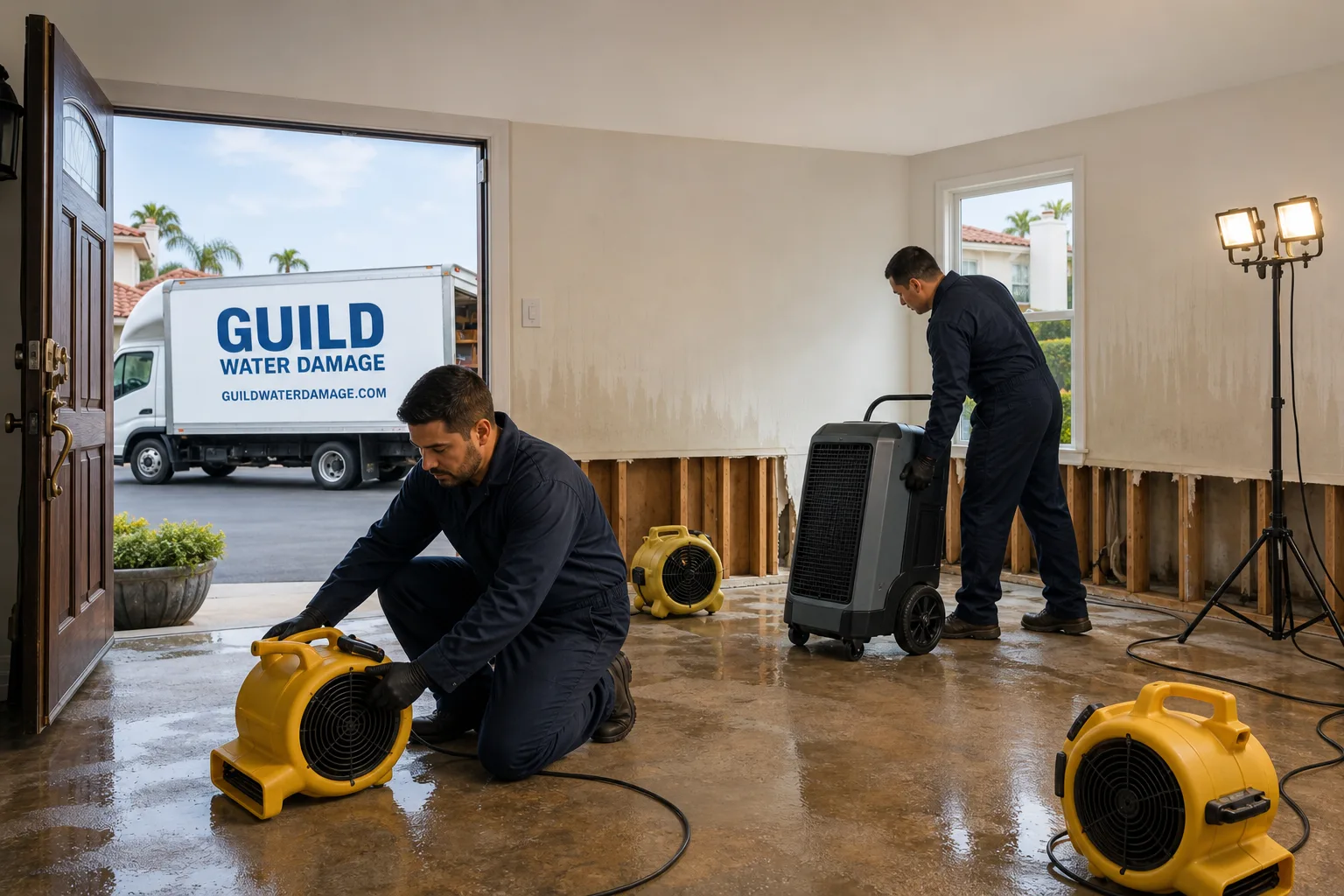
The field vignette we keep coming back to involves a 1970s custom estate off Villa Park Road. A slow supply-line weep behind an attached garage wall had been feeding a horse-property tack room for weeks. By the time anyone noticed, the drywall was already blooming with mold. Our techs set containment, ran moisture mapping and readings to establish the wet boundary, pulled the saturated drywall, applied antimicrobial treatment, then rigged Injectidry and Dri-Eaz equipment for structural drying and dehumidification while logging daily drying logs. The owner walked away with a photo-documented scope of work proving pre-loss condition, and that file went straight to their insurer without an argument. That’s the Guild standard, and it’s the standard Villa Park homes deserve.
Noel Hargrove leads the Guild Water Damage team. He’s built this practice around a simple conviction: homeowners in crisis need proof, not promises. A written scope before work starts. Drying logs you can hand to an adjuster. Equipment brands specified by commercial restoration engineers, not big-box rentals. That’s how you keep a high-value custom home whole.
Restoration work we handle
Bathroom Mold Removal in Villa Park
Bathroom Mold Removal in Villa Park loads differently than in tract-home neighborhoods, because these bathrooms sit inside sprawling 1960s-to-2000s custom estates where exhaust fans vent into hot attics, oversized showers create heavy humidity loads, and the half-acre lot layout means nobody notices a failing toilet wax ring or a weeping supply line for weeks. When a Villa Park homeowner calls us for bathroom mold, the first question isn’t “how do we spray it” but “where is the moisture coming from, and has it traveled into the floor assembly or adjoining wall cavity.” A contained bathroom mold removal in Villa Park typically runs $1,200 to $3,800, with additional structural drying if the subfloor or framing is saturated.
Humidity-driven surface mold
Surface mold on bathroom ceilings and upper wall corners from poor airflow is straightforward. We set containment, clean and treat affected materials, and then address the ventilation reason it grew, because skipping that step guarantees a callback within a season. Most Villa Park homes have original or retrofitted exhaust fans that don’t move enough air for the bathroom’s cubic footage.
Wall-cavity and subfloor mold
When water has migrated behind a shower surround, under a tub, or into the floor joist space, the job changes. We remove only what’s saturated, run Injectidry cavity-drying equipment to dry framing in place, and preserve original tile or custom stone where possible. The goal is less demolition, not more.
Mold Removal Service in Villa Park
Mold Removal Service in Villa Park is not a surface-spray operation. On a one-acre custom estate with multiple roof lines, vaulted attics, and an HVAC system that pulls air through every room, mold has too many places to hide. A proper removal service starts with moisture mapping to find the full wet boundary, then containment to prevent spore spread during demolition, then calibrated drying with professional-grade Dri-Eaz, Phoenix, XPOWER, or B-Air equipment. A single-room mold removal service in Villa Park runs $2,200 to $5,500; a larger multi-room or attic-inclusive scope typically lands between $6,000 and $14,000 before considering any structural rebuild.
Containment and negative air
Without containment and negative air pressure, disturbing moldy drywall sends spores into HVAC returns and through an oversized estate’s open floor plan. We build hard containment with negative air machines on every disturbed-material job. That’s non-negotiable on high-value custom builds.
Source-tracing before demolition
Private well tanks, irrigation lines, and aging supply plumbing are the usual suspects in Villa Park cavity mold. We trace the source before we tear anything down, document it with photos and readings, and include the evidence in the scope of work you give your adjuster. Dry it out without finding the leak and mold returns behind the stucco within a season.
Trusted Brands We Service in Villa Park
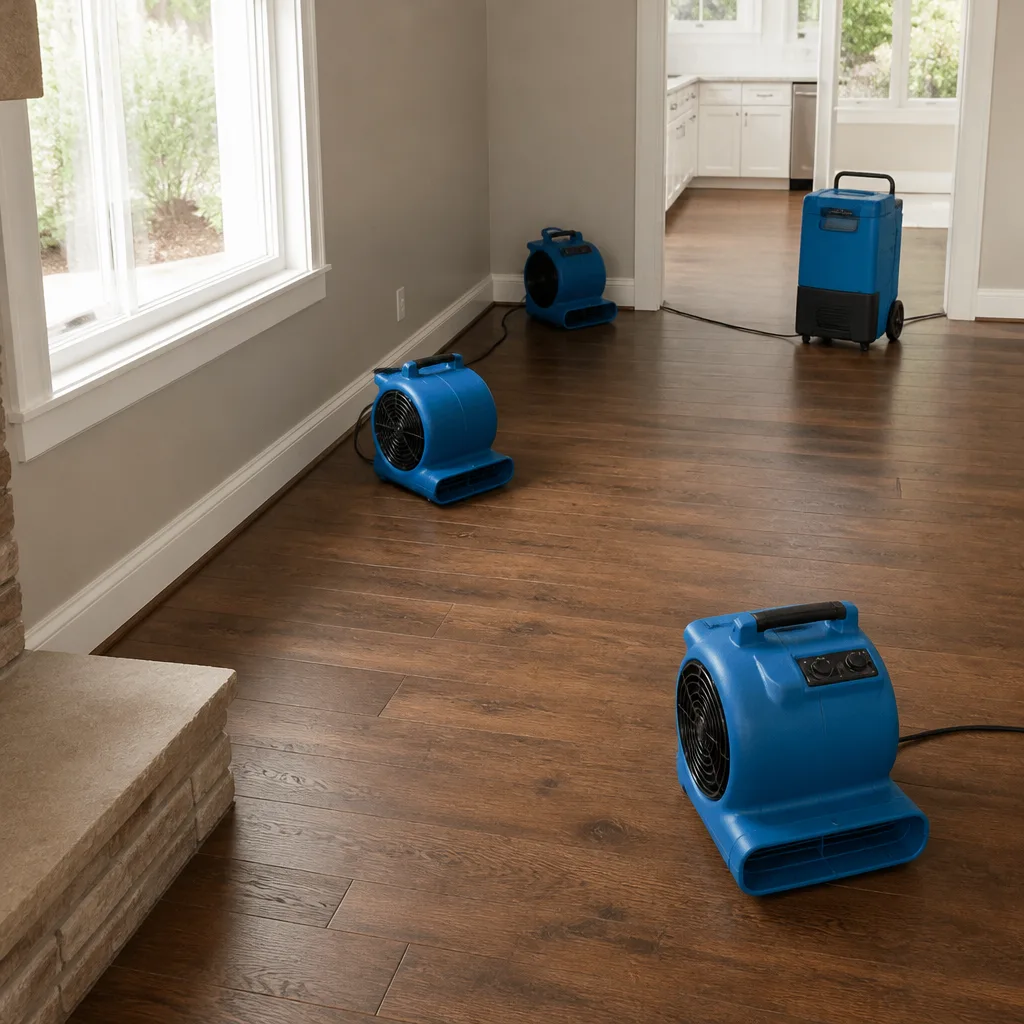
The equipment that shows up to a Villa Park mold loss should be the same professional-grade gear restoration engineers specify on commercial projects. Our fleet runs Dri-Eaz dehumidifiers and air movers, Phoenix desiccants, XPOWER air scrubbers, B-Air fans, and Injectidry cavity-drying systems for structural drying inside walls and subfloors without unnecessary demolition. We stock replacement filters, HEPA bags, and containment supplies for rapid turnaround on Villa Park jobs, so a second trip for parts doesn’t stretch a remediation into a week. When an estate off Meads Avenue or near Serrano Avenue has a wall cavity that won’t dry, the answer is usually an Injectidry rig, not more tear-out.
See the difference
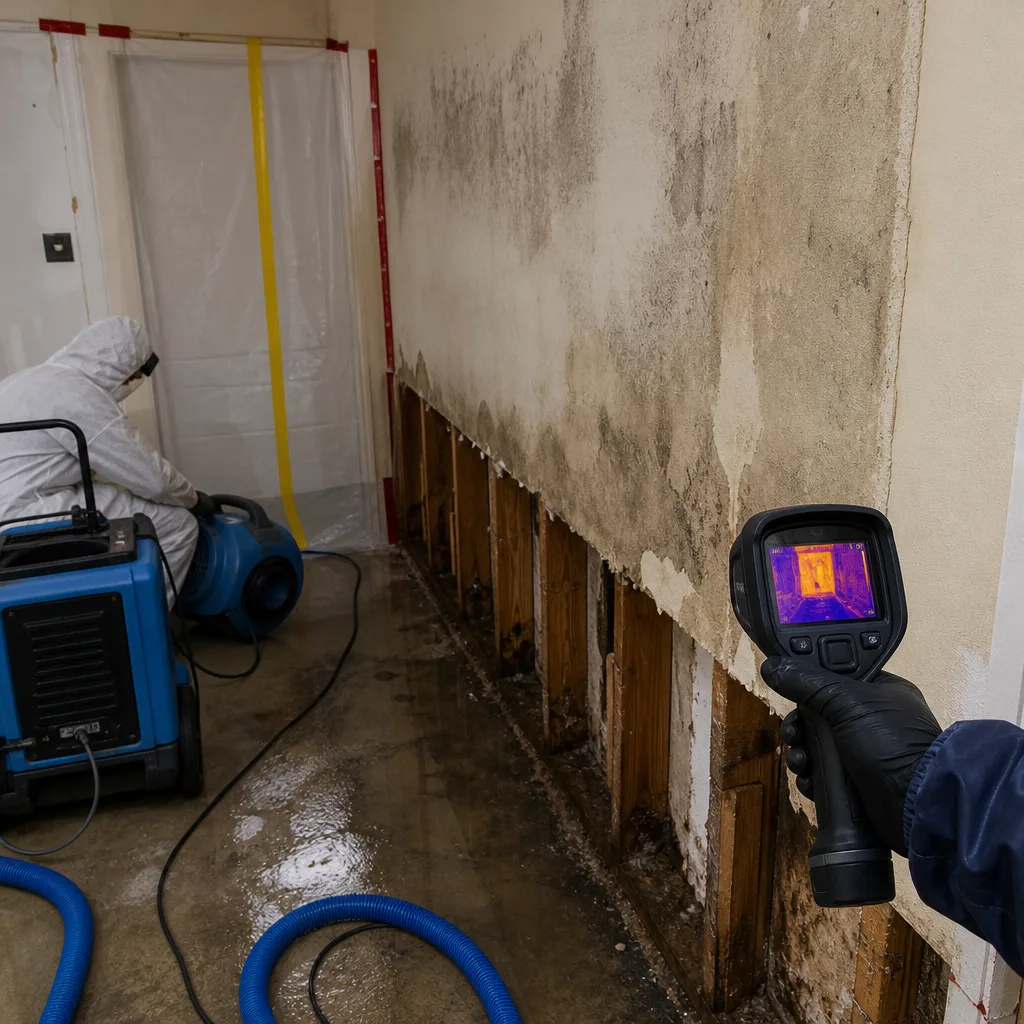 Before
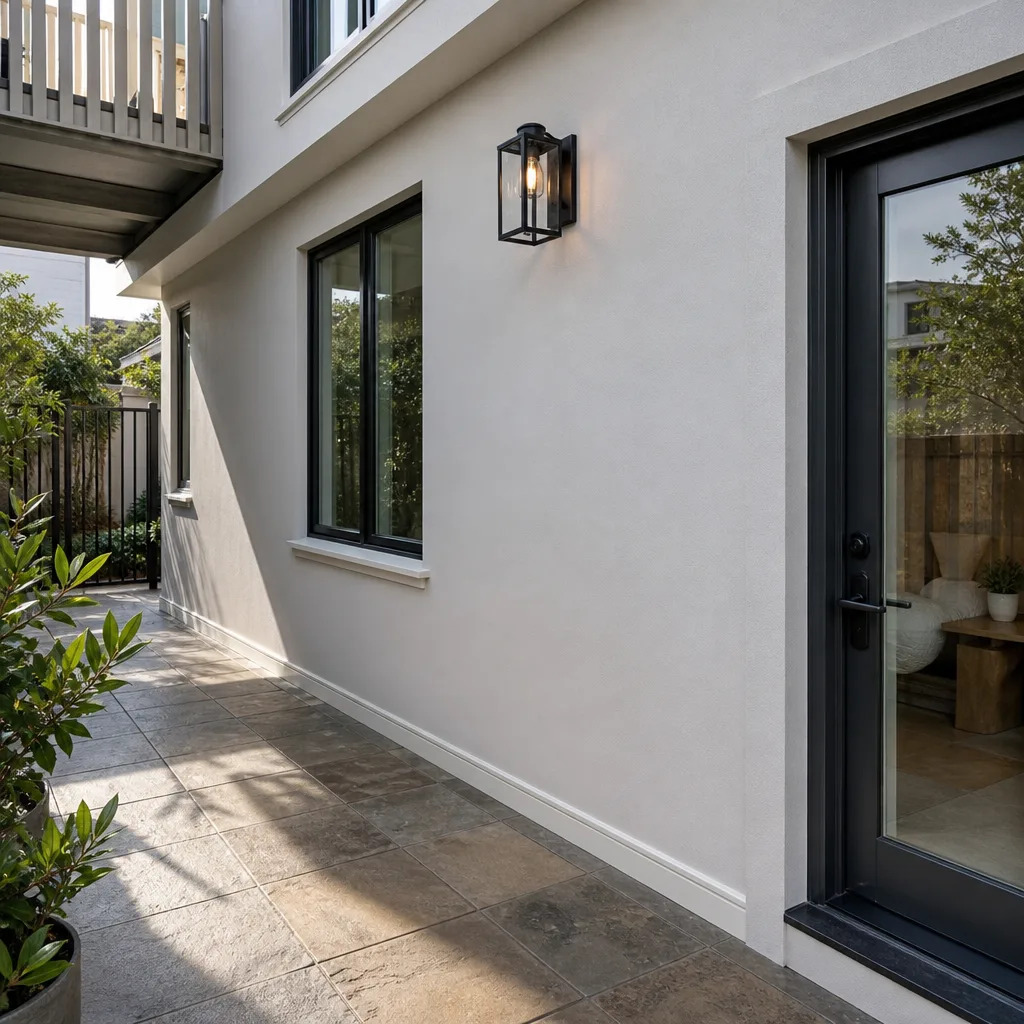 After
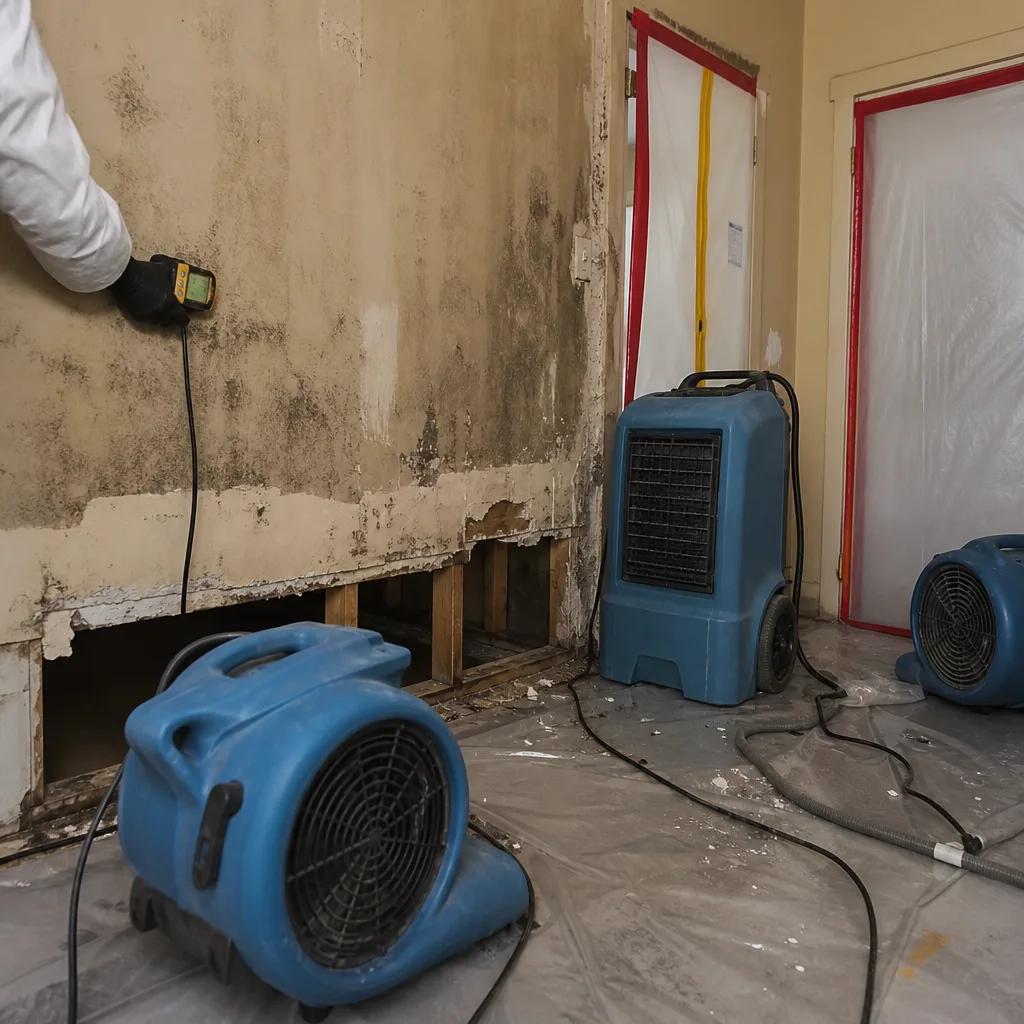 Before
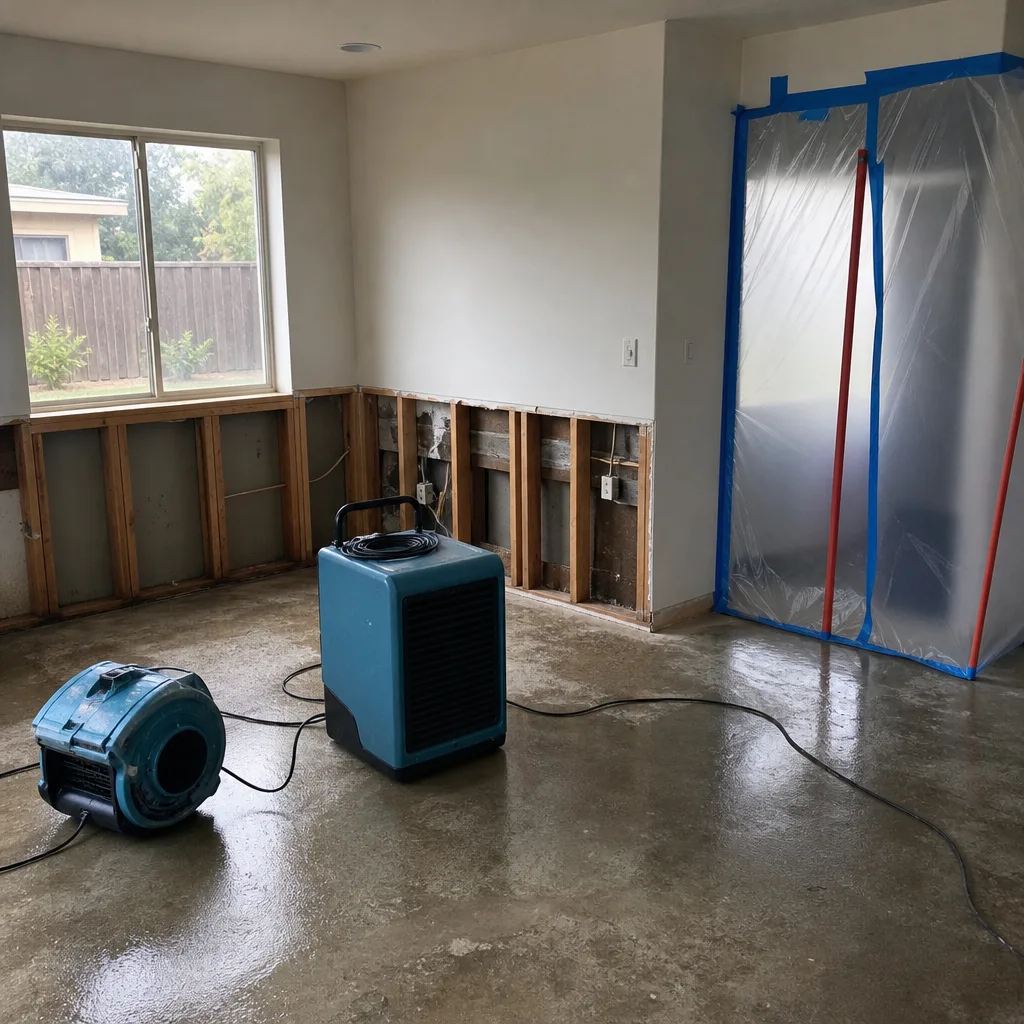 After
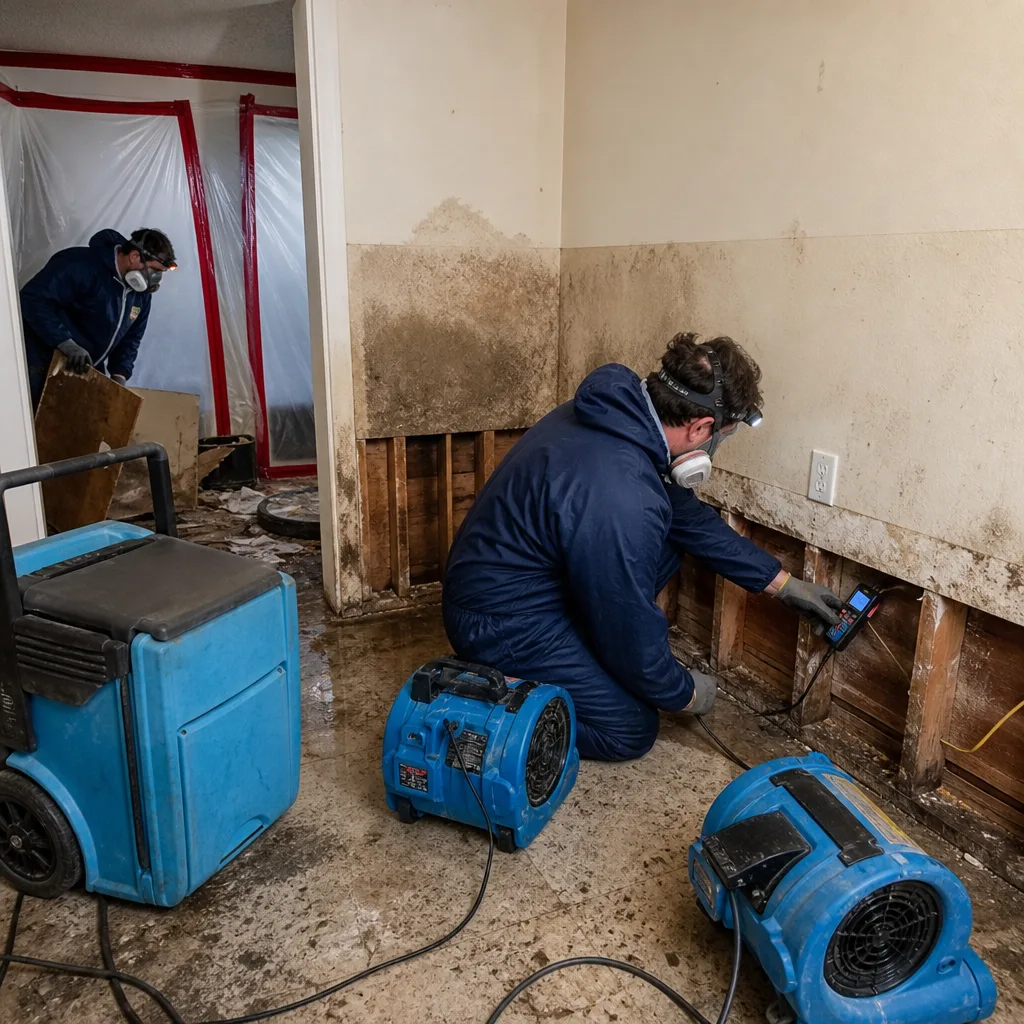 Before
 After
Common Mold Remediation Problems We See in Villa Park Homes
- Private well and irrigation line leaks. Because Villa Park sits on half-acre-plus lots with private wells and septic systems, a slow supply-line weep inside a wall cavity can feed mold for weeks before anyone notices. The source is almost never on the visible surface, and treating only the visible patch means a callback within a season.
- Vaulted attics with Santa Ana smoke residue. These large attics collect ash and smoke from wind-driven wildfire events, and when moisture meets that organic residue, mold has an ideal food source. Attic containment on a big estate home is a different animal than a standard ceiling job.
- No drying logs or pre-loss documentation. On a high-value custom build off Villa Park Road or near Taft Avenue, an insurer expects proof of condition before the remediation started. Without moisture readings, chamber logs, and photo-documented scope, the claim stalls and the homeowner is left arguing instead of restoring.
- Oversized open rooms with HVAC returns everywhere. Estates with large open floor plans and multiple air returns spread spores quickly once drywall is disturbed. Skipping containment and negative air on these homes turns a one-room mold problem into a whole-house air quality issue.
Pricing for Mold Remediation in Villa Park, CA
We Also Serve Cities Near Villa Park
Guild Water Damage serves Mold Remediation in Villa Park and the surrounding communities, including Orange, North Tustin, Placentia, and Anaheim. If your property sits just over the city line or you manage a multifamily asset in any of these areas, the same IICRC-certified process applies. You can read more about our full approach on the Mold Remediation service page.
Serving Villa Park, CA — Our Local Coverage Area
We’re based in the Villa Park area and know this community well. Use the map below to see our service coverage — if you’re nearby, we can almost certainly help.
FAQs About Mold Remediation in Villa Park
Yes. Even in Villa Park’s hot, dry Santa Ana seasons, wet drywall inside a wall cavity or behind a stucco surface sees enough trapped moisture to support mold growth within 48 to 72 hours. The dry outdoor air doesn’t help because the moisture is trapped inside an enclosed building assembly. The moment you find a leak or water stain, start counting hours, not days. Call (855) 855-9631 and we can have containment and drying equipment staged the same day.
It is different in one critical way: the source is hidden in a wall cavity or below-grade pipe, and it has often been feeding mold for weeks before you see anything. Storm water damage is usually visible at the intrusion point. A well-tank or irrigation supply line leak requires active source-tracing with moisture mapping before remediation starts, and the scope should include documenting the plumbing failure for your insurer. Skipping that step means the mold returns after the first warm season.
We treat it as a combined mold and particulate job. The smoke residue is a food source for mold, so we HEPA-clean and treat those surfaces as part of containment, then run negative air through the attic before addressing the moisture source. A vaulted attic on a Villa Park estate often means setting scaffolding or working from the roofline, so equipment staging and containment design take longer than a standard flat-ceiling attic. We write that into the scope up front.
Yes, on every job. We photo-document the affected area, record moisture readings before and during drying, and maintain daily drying logs with chamber readings and equipment counts. On a high-value Villa Park custom build, that documentation is what turns an insurance scope of work from a negotiation into a settled claim. If you have an adjuster involved, we coordinate directly and speak their language: written scopes, logged readings, and photographed condition.
Yes. Many Villa Park estates include barns, tack rooms, and outbuildings, and mold doesn’t respect property lines. We stage equipment around gates, long driveways, and animals without cutting corners on containment or drying protocol. An outbuilding with a plumbing line or a roof leak gets the same moisture mapping and documentation as the main house. One call covers the whole property: (855) 855-9631.
Written by Noel Hargrove, Owner at Guild Water Damage, serving Villa Park and the surrounding Orange County communities with IICRC-certified mold remediation, water damage restoration, and fire damage restoration.