 Water damage drying
 Fire & smoke cleanup
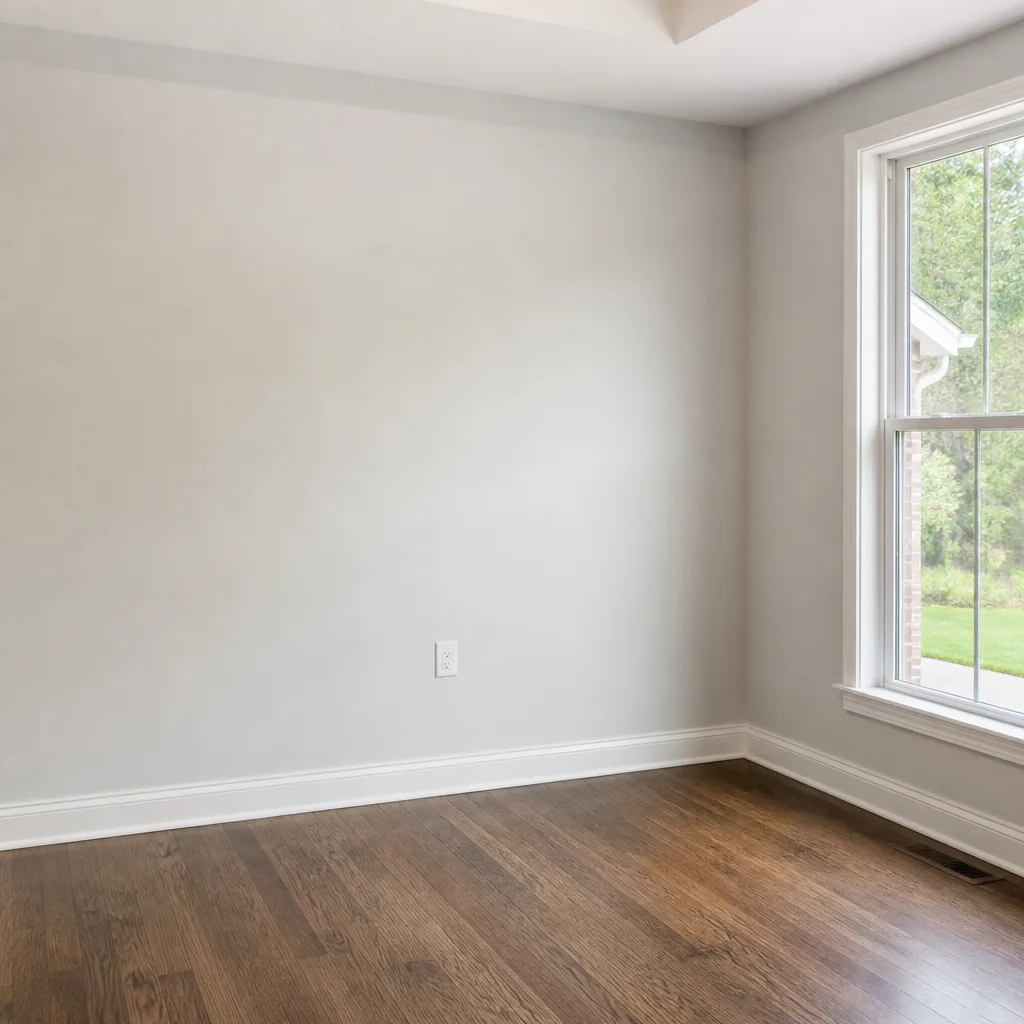 Mold remediation
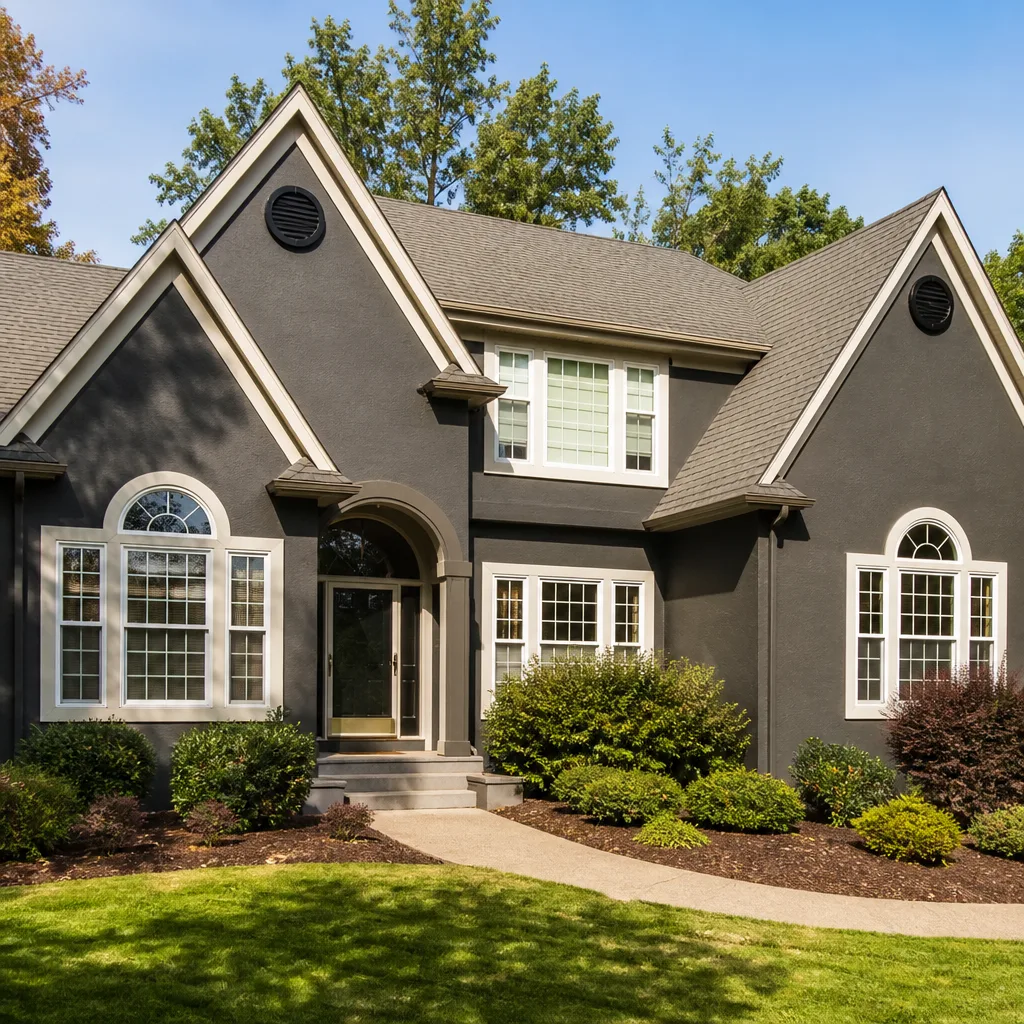 Storm response
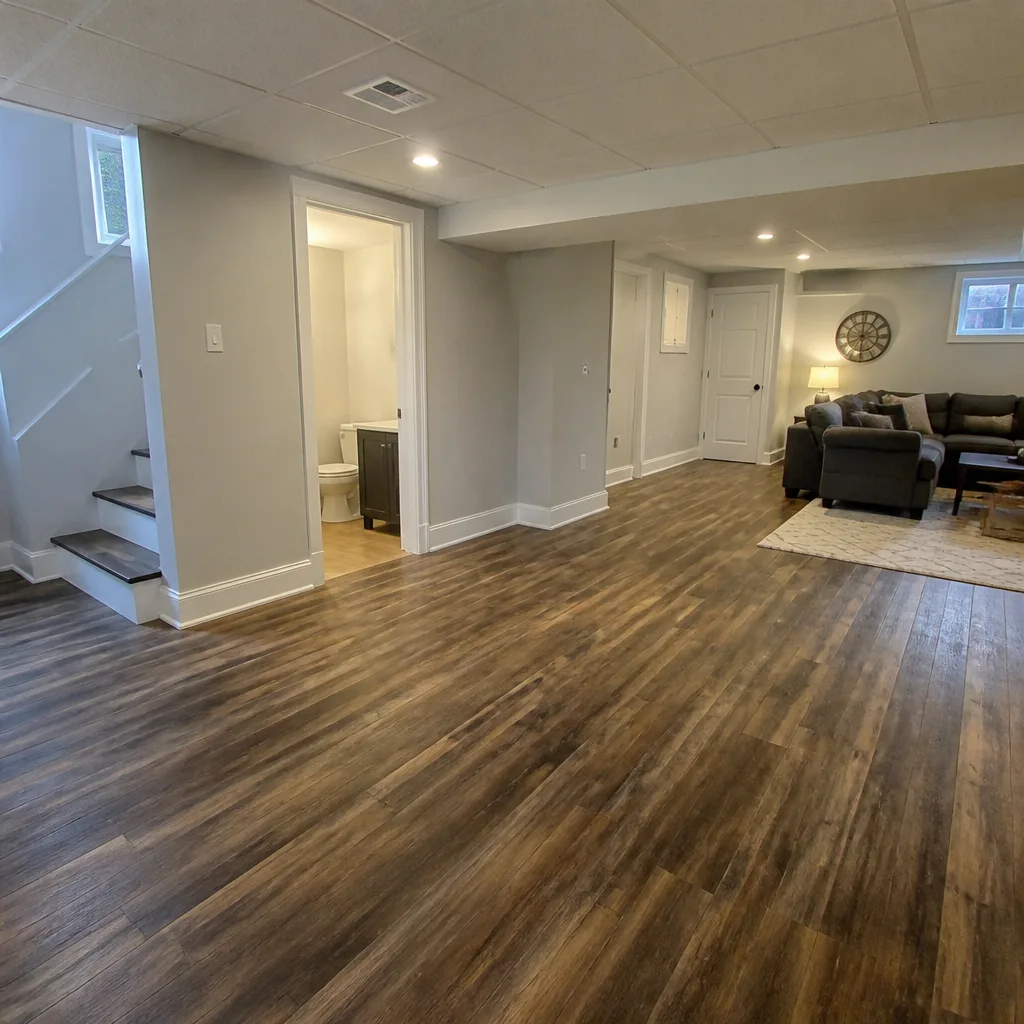 Sewage cleanup
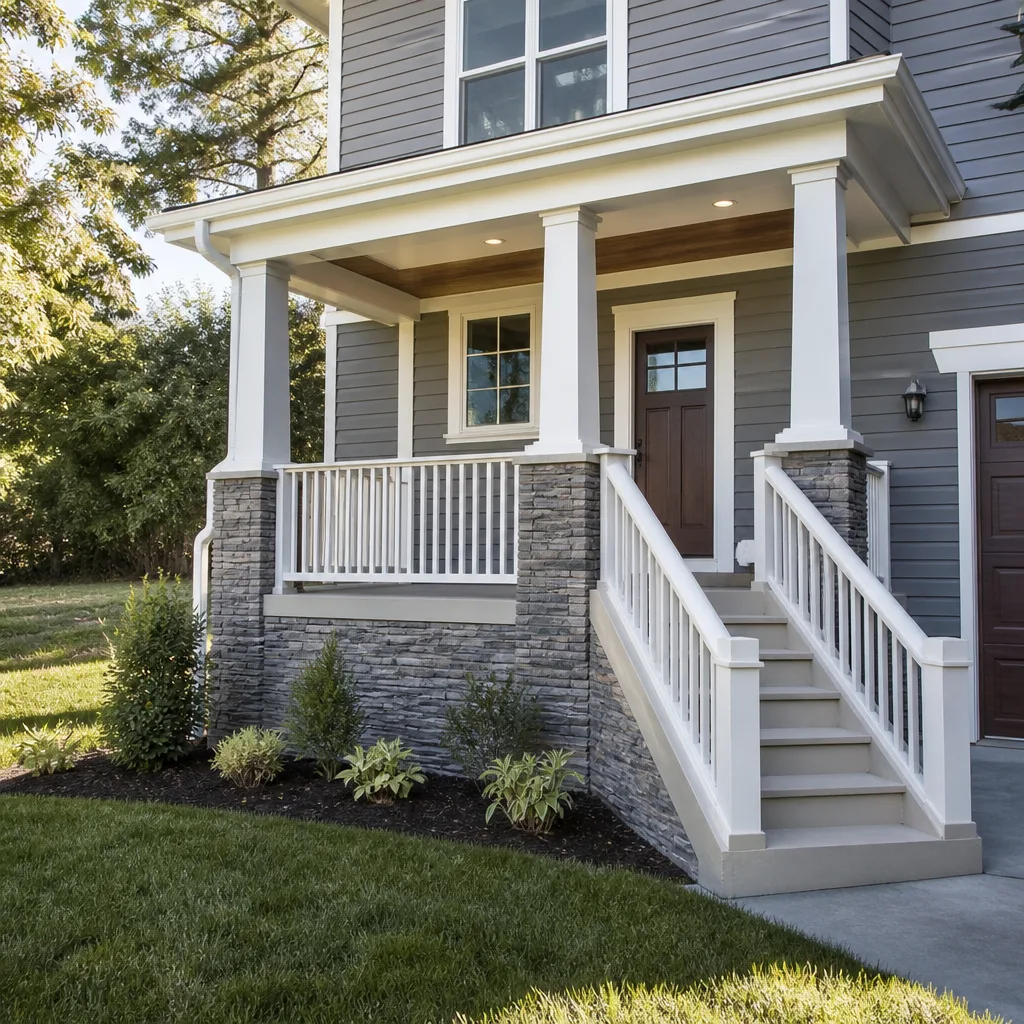 Reconstruction
Free visual inspection and a written scope of work before any mitigation begins - photos, moisture readings, and drying logs go in your claim file
The scope we write is the scope we bill. Anything new gets shown to you, in writing, before we touch it.
Get your free estimateFast, Reliable Water Damage Restoration Across Lake Forest
Water damage restoration in Lake Forest typically costs $1,800 to $6,500 depending on the scope, and structural drying starts the same day a loss is reported. That’s the direct answer. The longer answer is that Lake Forest’s housing stock, with its 1960s-to-1990s tract builds, zero-lot-line townhomes, and HOA-governed communities, creates water losses that behave differently than they do in older coastal cities. A failed patio slider on a shared wall is not a one-unit problem here. A slow slab leak in a Portola Hills townhome migrates through party-line framing before anyone sees it. We run professional-grade equipment, document everything for the association and the carrier, and scope every loss the way Lake Forest’s built environment actually demands. Call (855) 855-9631 for a free estimate, and we’ll have a crew on the road to Lake Forest immediately.
Why Guild Water Damage Is Lake Forest’s Preferred Water Damage Restoration Company
Lake Forest homeowners call us because they need a contractor who understands HOA documentation requirements as well as drying science. Noel Hargrove built Guild Water Damage around a simple operating standard: every project follows documented, certification-backed protocols rather than technician intuition. That matters here. When water migrates through a shared wall, the association wants moisture logs, equipment placement records, and a written scope. Our IICRC-certified process produces exactly that, and our RIA membership holds us to a professional code of ethics that most local restoration contractors cannot claim.
We respond to Lake Forest from our Newport Beach base, and we know the streets here: El Toro Road, Trabuco Road, Lake Forest Drive, and the Ridge Route corridor. We know the townhome clusters off Toledo Way and the tract subdivisions near Serrano Creek. That familiarity means we arrive already knowing what to look for: original copper supply lines at slab penetrations, early PEX fittings that fail at the wall, patio sliders with dried-out threshold gaskets, and zero-lot-line drainage patterns that push runoff toward foundations.
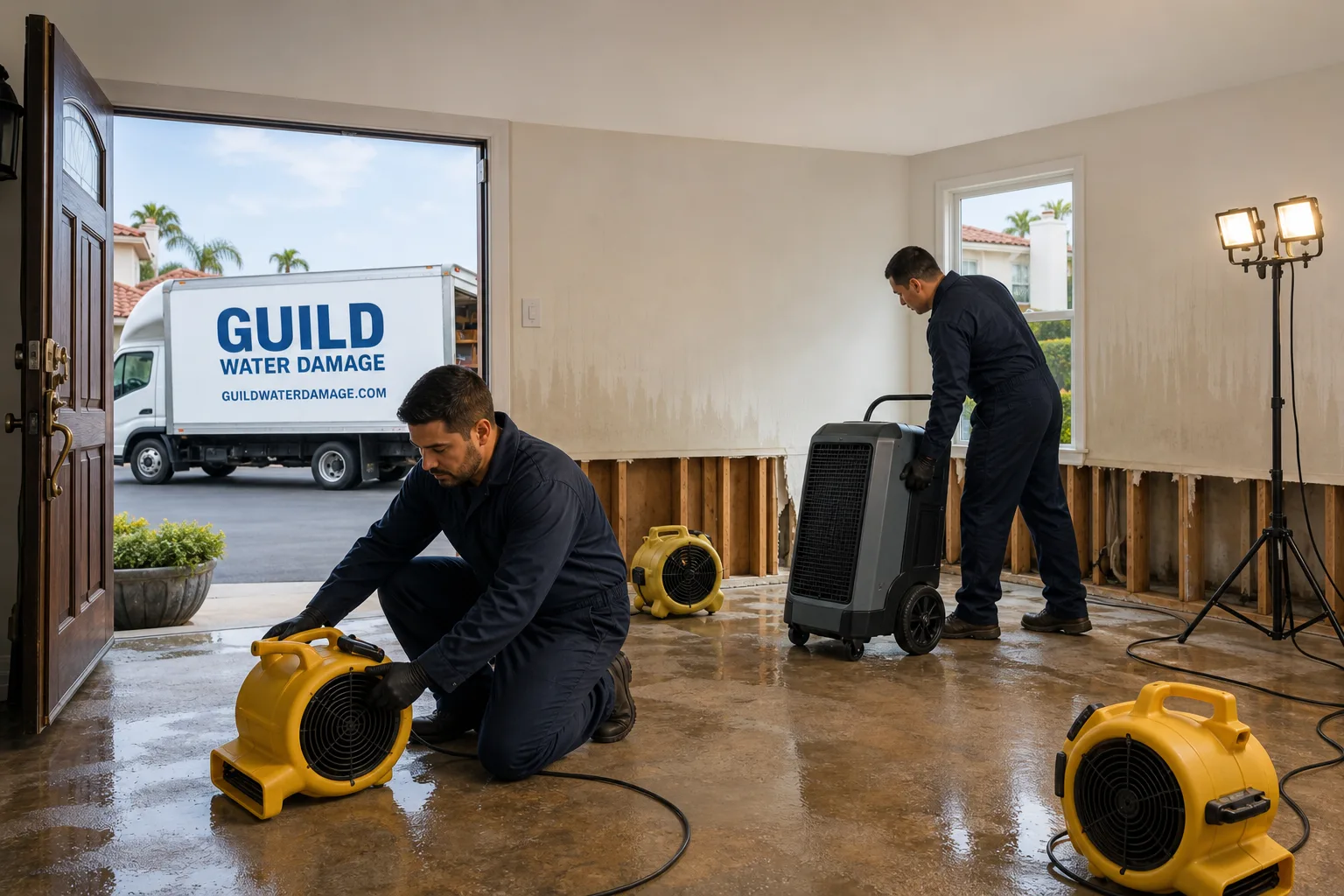
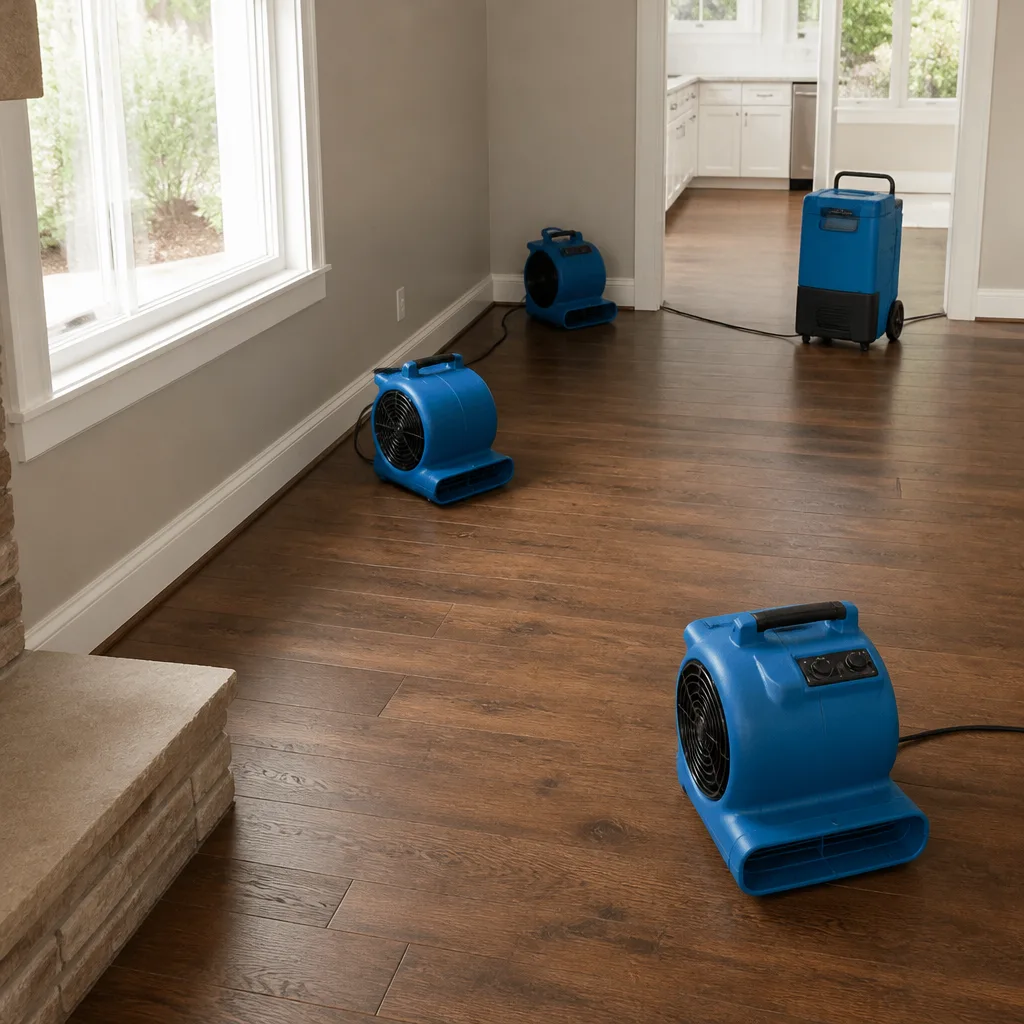
The proof is in the equipment. Our fleet runs Dri-Eaz, Phoenix, and XPOWER units, the same brands specified by commercial restoration engineers, not the rental-depot fans that homeowners sometimes see from under-equipped crews. For Lake Forest’s attached housing product, that commercial-grade capability is not optional. A half-dried party wall fails a moisture reading, fails an HOA inspection, and fails the homeowner six months later when the mold shows up.
Restoration work we handle
Water Damage Repair in Lake Forest
Water Damage Repair in Lake Forest is the restoration of structure and finishes after water has been extracted and the affected area dried to target moisture content. In a Lake Forest tract home, that commonly means replacing saturated drywall in a garage wall after a water heater failure, rebuilding a vanity base after a supply-line leak, or resetting and sealing a failed patio slider after wind-driven rain intrusion. Homeowners in the 92630 ZIP code call us for this work when the emergency is over but the visible damage remains, and typical repair scopes here run $1,200 to $4,800 depending on finishes and the extent of the saturation.
Drying Before Repair, Always
We never repair over wet framing. In Lake Forest’s slab-on-grade construction, moisture trapped under base plates and behind stucco will not dry on its own, and repainting over it just hides the problem for six months. Our techs take moisture readings in the wall cavities and subfloor before any repair material is ordered, and we document those readings for the insurer and the HOA in a written scope of work.
Shared-Wall Repair Coordination
When a loss originates in one unit and migrates through party-line framing, the repair scope is rarely a single-owner issue. We coordinate repair documentation so the association’s CC&R review and the insurance adjuster’s scope of work reference the same moisture data. That keeps the repair moving instead of stalling in review.
Water Mitigation in Lake Forest
Water Mitigation in Lake Forest is the immediate-response work: extraction, containment, equipment placement, and structural drying to stop further damage before restoration begins. In Lake Forest’s two-story, wood-frame, stucco-clad housing stock, mitigation saves the home from a failure mode we see constantly: water that looks minor at the surface but has already traveled through wall cavities and along floor framing. Lake Forest homeowners call us for mitigation after burst supply lines, water heater ruptures, washing machine hose failures, and storm intrusion through failed doors and windows. Typical mitigation scopes run $1,800 to $4,200 depending on the affected square footage and the number of containment zones.
Non-Invasive Structural Drying
Our Injectidry cavity-drying systems dry inside wall cavities and under subfloors without tearing out drywall or flooring first. That is the difference between a two-room drying project and a four-room demolition project. For Lake Forest homeowners in HOA communities, preserving more and tearing out less also means fewer visible exterior repairs that require association approval.
Moisture Mapping on Both Sides of the Wall
In attached and zero-lot-line product, we scope both units when water migrates. A slow supply-line leak in one unit frequently travels through shared framing into the neighboring unit before anyone notices, and the tech who scopes only the reported unit routinely misses a second loss next door. We do not miss it.
Trusted Brands We Service in Lake Forest
Lake Forest homes carry a predictable set of plumbing and appliance brands, and we service restoration around all of them: Rheem and Bradford White water heaters, Moen and Delta supply lines, LG and GE washing machine connections, and the original copper and early PEX supply lines common in El Toro ranch-era tract builds. When the failure is at a fitting or a slab penetration, the brand matters less than the drying method, but knowing what Lake Forest plumbers typically installed in the 1970s and 80s helps us predict where water traveled. We stock common replacement parts locally for our Lake Forest customers, which shortens the repair timeline when a water heater pan or a supply valve has to come out during mitigation.
See the difference
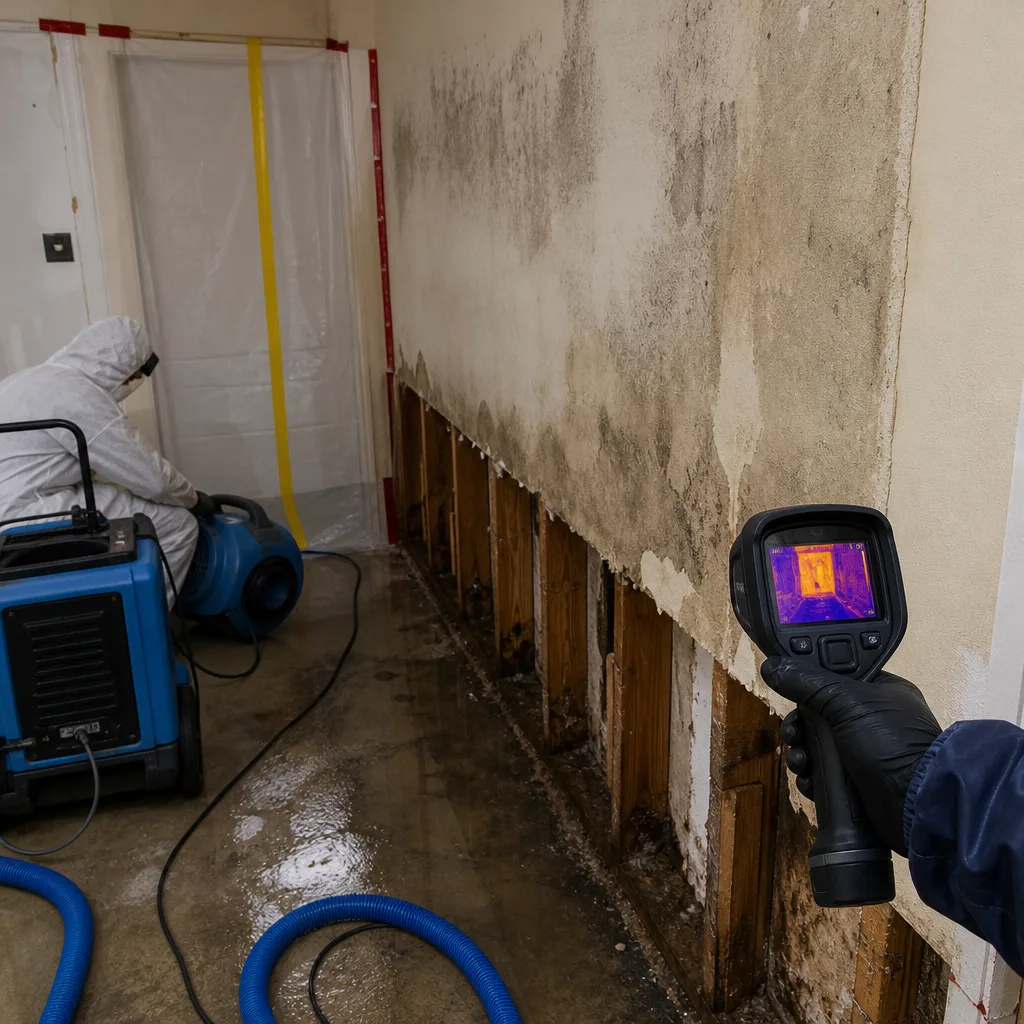 Before
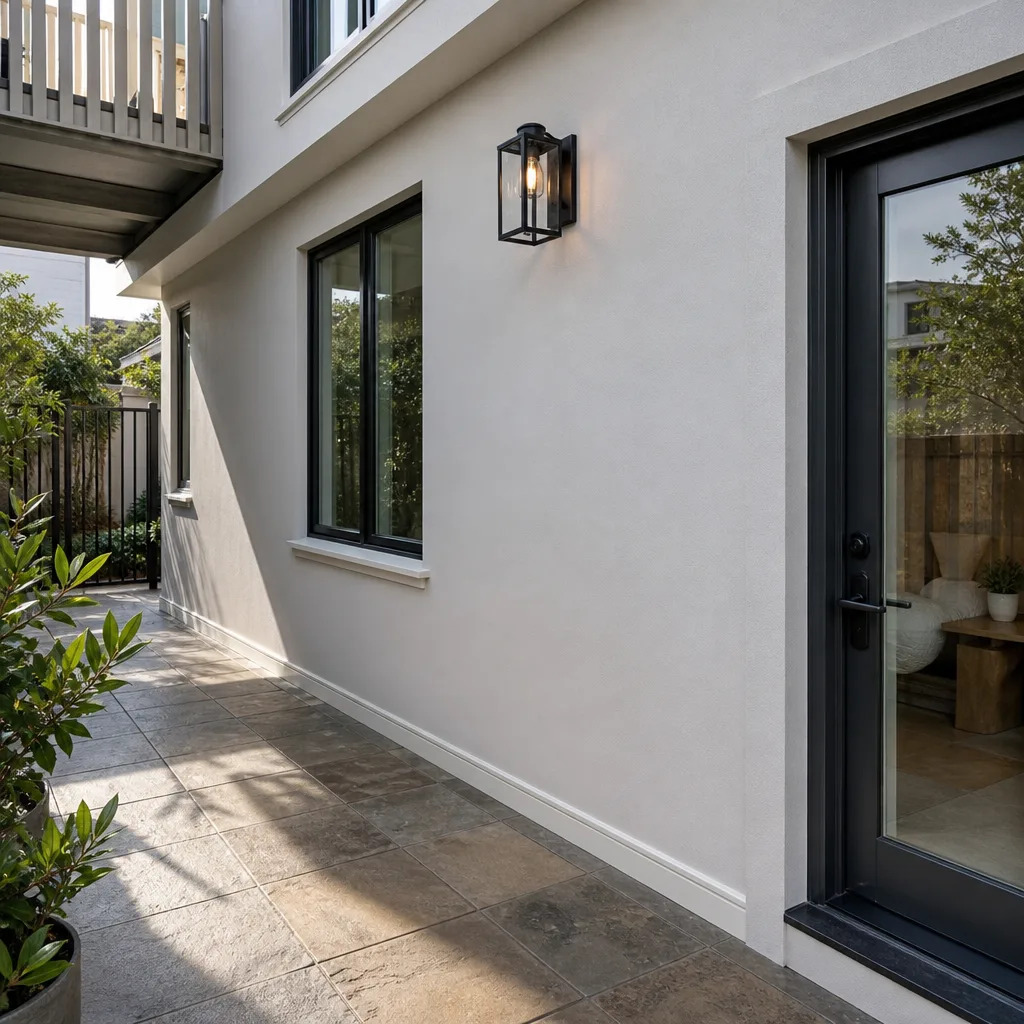 After
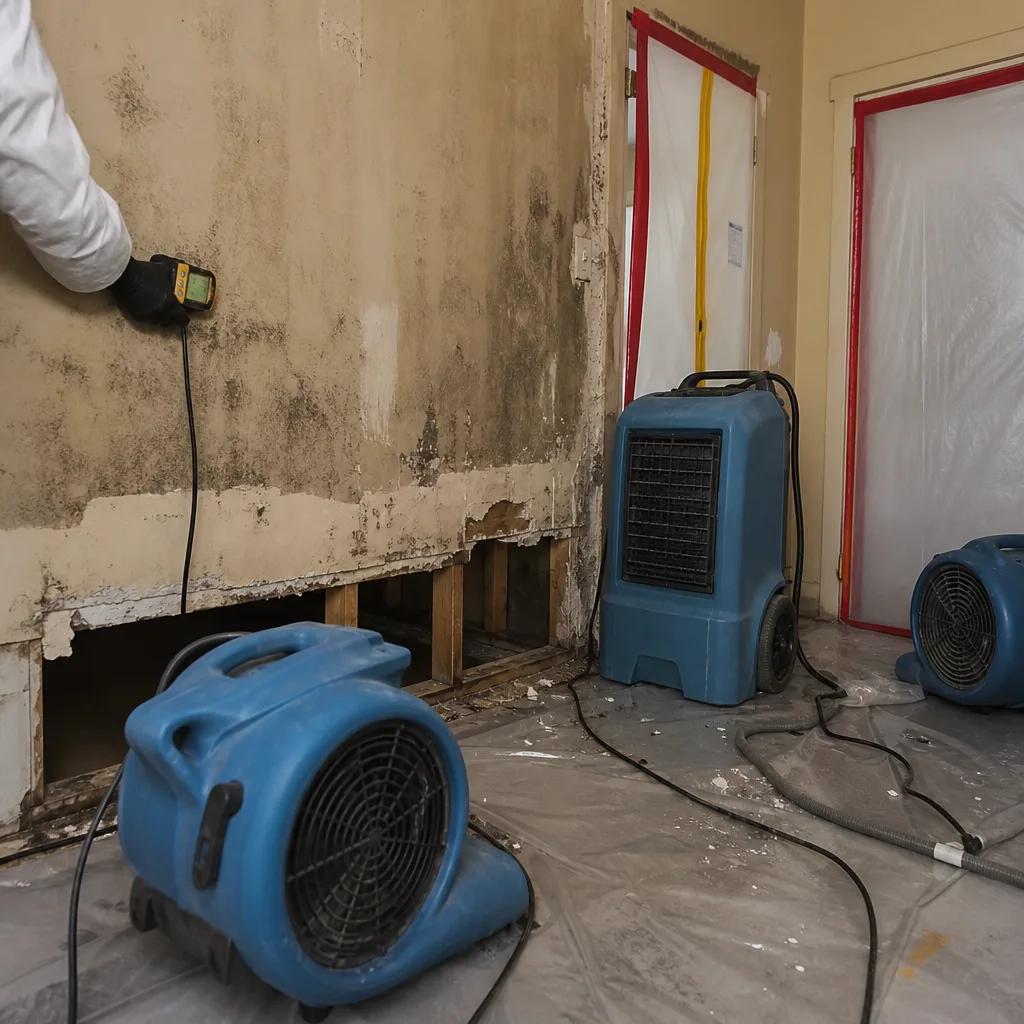 Before
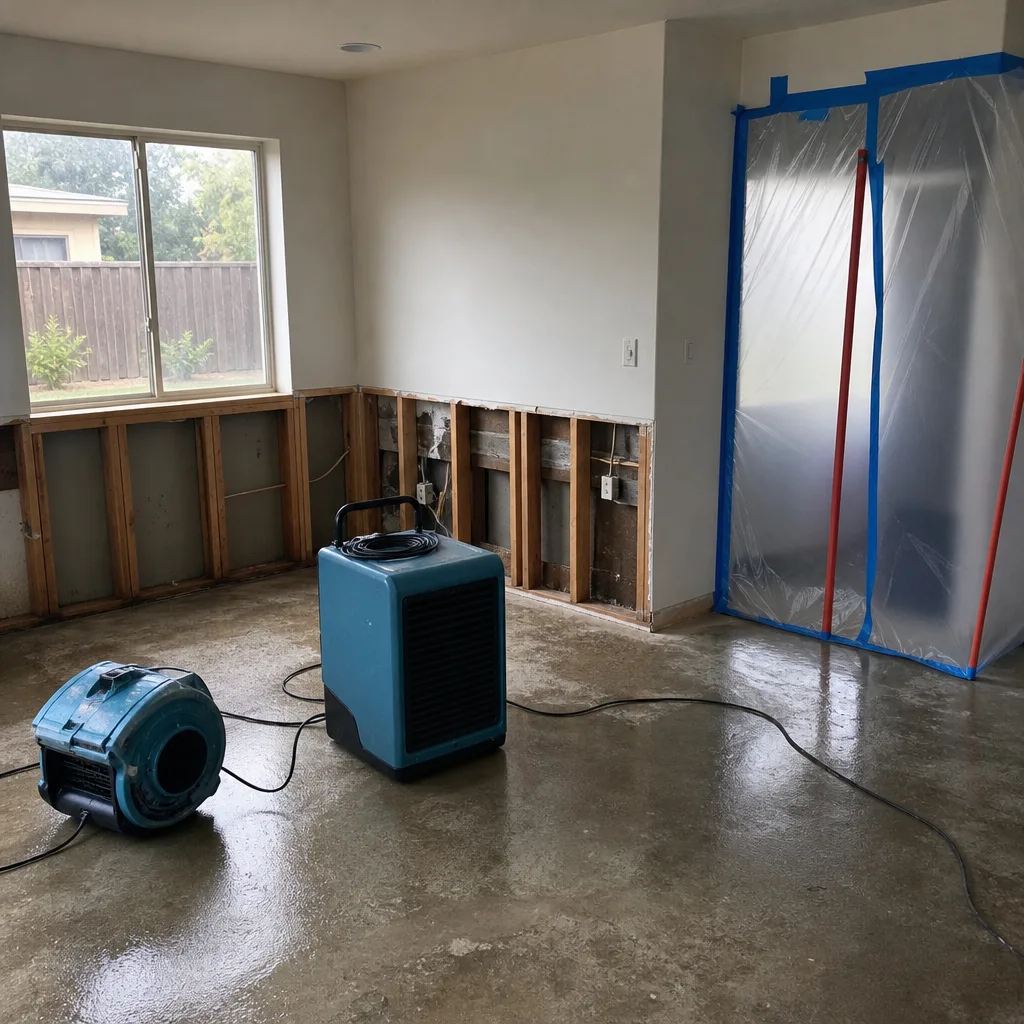 After
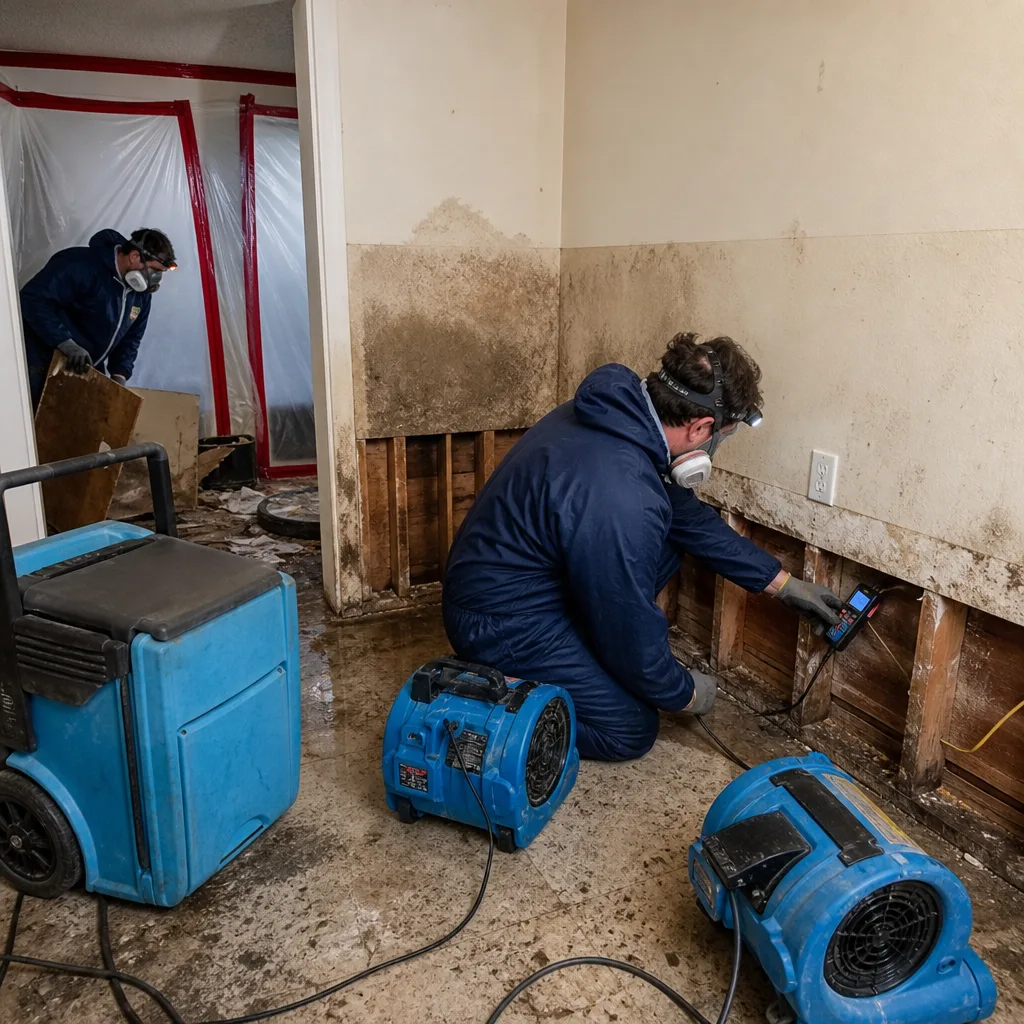 Before
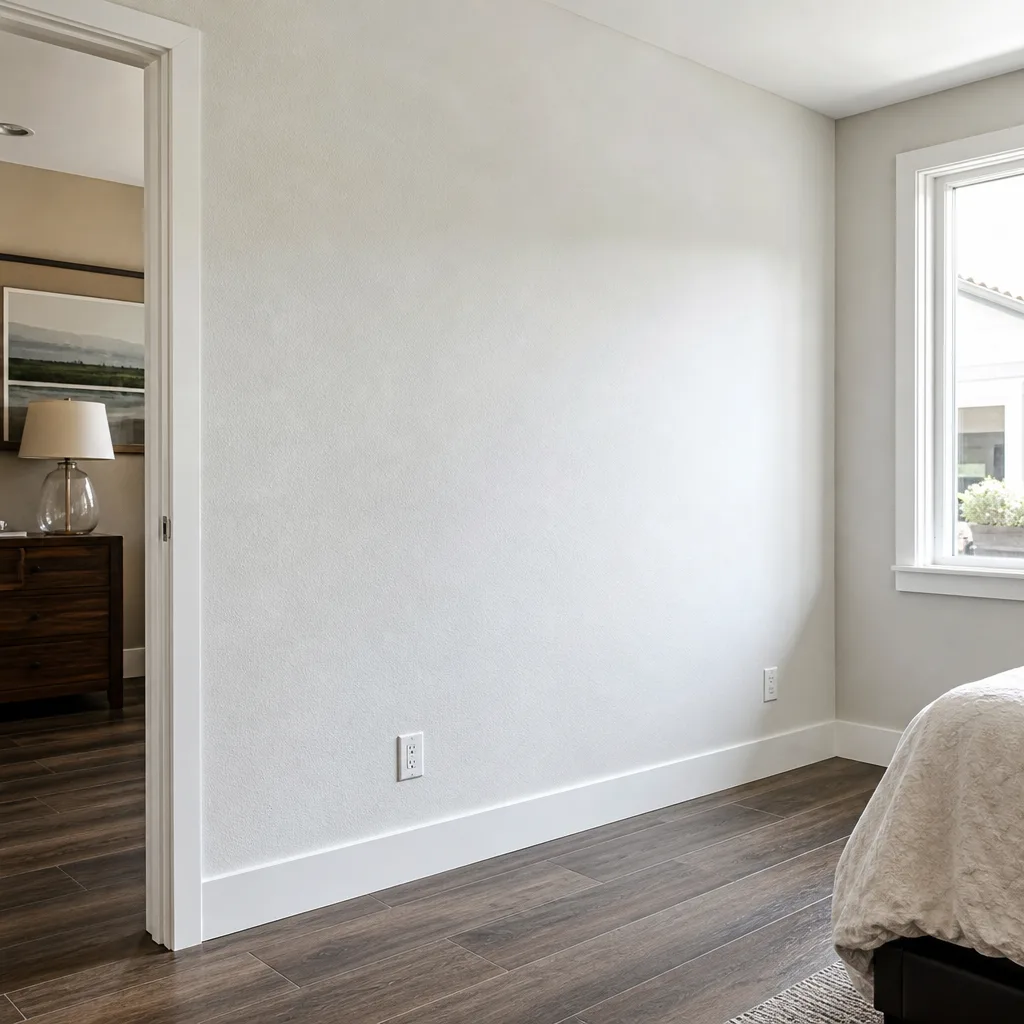 After
Common Water Damage Restoration Problems We See in Lake Forest Homes
- Shared-door and slider failures in zero-lot-line clusters. A single front door or patio slider often serves as the wind and water barrier for two units, and when the threshold gasket fails, water pushes through party-line framing into the neighbor’s unit. We scope both sides of that wall every time.
- Slab penetrations and original supply lines. Most of Lake Forest’s tract stock sits on slab foundations, with copper lines running through slab penetrations that eventually corrode or shift. The leak starts under the slab and wicks into the walls before the homeowner sees a stain.
- Post-storm window and roof intrusion in the 92630 tract clusters. Intense winter storms off the Trabuco Canyon hillsides drive rain into window flashing and roof penetrations that have been dry for years. The water enters the wall cavity and sits, and mold gets its 24-to-48-hour head start.
- HOA documentation gaps during emergency mitigation. The restoration work gets done, but the moisture logs and equipment records the association requires are never produced, and six months later the homeowner is fighting a board review on a repair they already paid for. We produce the documentation as part of the mitigation, not as an afterthought.
Pricing for Water Damage Restoration in Lake Forest, CA
Here are the dollar ranges we see in Lake Forest, not national averages. Emergency water extraction runs $400 to $1,200 for a typical room or hallway. Structural drying and dehumidification runs $1,800 to $4,200 for a standard 300-to-600-square-foot affected area. Full water damage repair after drying runs $1,200 to $4,800 depending on finishes. A complete loss involving a slab leak, shared-wall migration, or storm intrusion with repair typically lands between $4,500 and $9,500 in Lake Forest. Factors that move the number: square footage of affected area, number of containment zones in attached product, ceiling height, and whether the HOA requires additional documentation or restoration to association-standard finishes. Call (855) 855-9631 for a free estimate; we’ll inspect in person and give you a written number before any work starts.
We Also Serve Cities Near Lake Forest
Our crews work throughout south Orange County, including Lake Forest and the surrounding communities. We run regular routes to Foothill Ranch, Portola Hills, Mission Viejo, and Laguna Woods. If you are in one of those cities and dealing with a water loss, the same IICRC-certified process and professional-grade equipment apply. If you need our full-service breakdown, see our Water Damage Restoration hub page.
Serving Lake Forest, CA — Our Local Coverage Area
We’re based in the Lake Forest area and know this community well. Use the map below to see our service coverage — if you’re nearby, we can almost certainly help.
FAQs About Water Damage Restoration in Lake Forest
In Lake Forest’s zero-lot-line clusters, a failed shared slider or door threshold that pushes water into a neighboring unit is typically treated as two losses: one for the unit where the failure occurred and one for the unit that received the migrating water. The association and the insurer both need moisture data from both sides of the party wall. Call (855) 855-9631 and we’ll scope both units in a single visit.
Within 24 to 48 hours. Mold has a 24-to-48-hour germination window in wet wall cavities, and Lake Forest’s semi-arid climate means the surface may look dry while the cavity is still saturated. In attached product, that saturated cavity is pressing against a neighbor’s wall. We start mitigation the same day we’re called.
Yes. Lake Forest’s HOA-governed communities typically require moisture logs, equipment placement records, and a written scope of work that references the CC&R requirements for any visible exterior repair. We produce that documentation as part of our standard process, so the board review and the adjuster’s review run on the same set of facts.
Material type, saturation level, and contamination category decide it. Drywall that has wicked category 2 storm water and is soft to the touch typically gets removed; framing and subfloor can often be dried in place with Injectidry cavity-drying and Dri-Eaz dehumidification. We always run moisture readings first and show you the numbers before any tear-out starts.
Yes. Lake Forest’s tract homes were built to Orange County’s older wind provisions, and the city and HOA both expect any replacement door or slider to meet current wind-rating and permit documentation standards. We include that documentation in the repair scope so the replacement does not fail the association review or the insurance scope of work. Call (855) 855-9631 for a free inspection and exact quote.
Written by Noel Hargrove, Owner at Guild Water Damage, serving Lake Forest and south Orange County.