
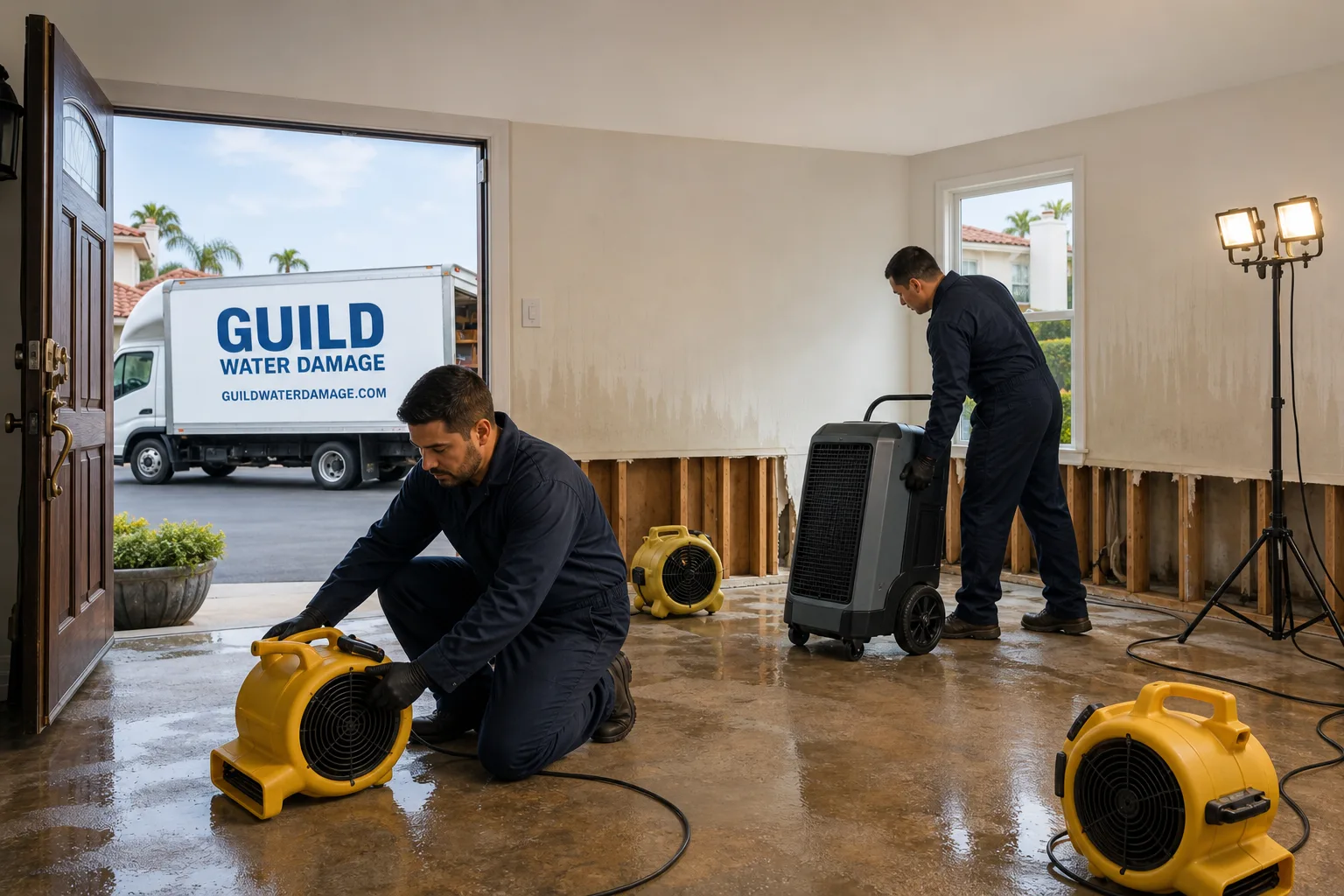
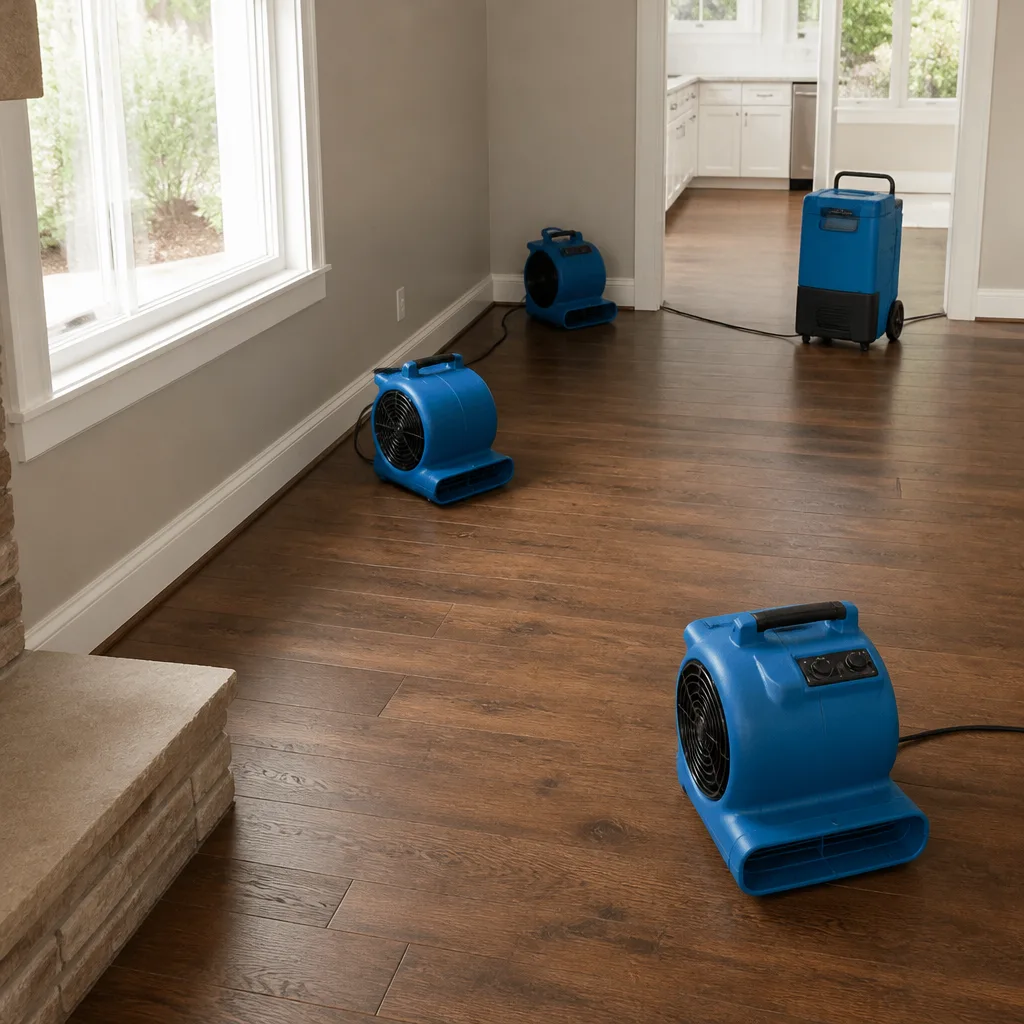
 Water damage drying
 Fire & smoke cleanup
 Mold remediation
 Storm response
 Sewage cleanup
 Reconstruction
Free visual inspection and a written scope of work before any mitigation begins - photos, moisture readings, and drying logs go in your claim file
The scope we write is the scope we bill. Anything new gets shown to you, in writing, before we touch it.
Get your free estimateFast, Reliable Mold Remediation Across Portola Hills
Mold remediation in Portola Hills typically costs $1,800 – $4,500 for a contained removal in a single room, while whole-attic treatments from failed tile-roof underlayment run $4,000 – $9,000. Most Portola Hills jobs are same-week, not same-day, because the work involves containment, air scrubbing, and verifying the moisture source is actually fixed before surface treatment can hold. We’re Guild Water Damage, and we work these hillside streets weekly – we know why mold keeps returning to homes here, and it’s rarely the leak you can see. Call (855) 855-9631 for a written scope and an honest read on your attic deck, wall cavities, or HVAC return.
Why Guild Water Damage Is Portola Hills’s Preferred Mold Remediation Company
Portola Hills homeowners call us after other crews have wiped the same ceiling stain twice and the musty smell comes back in three weeks. That’s the pattern on these tile-roofed, stucco-over-sheathing tract homes. Our IICRC-certified process starts with moisture mapping of the attic deck and exterior wall cavities before any antimicrobial goes down, because the mold source on a hillside lot is almost never where the visible growth sits.
Noel Hargrove built Guild Water Damage around one principle: a documented, auditable protocol beats technician intuition. He holds IICRC certification, RIA membership, and IFA affiliation – a combination most local restoration companies around Lake Forest and Mission Viejo don’t carry. We run Dri-Eaz dehumidification, Phoenix air movers, and Injectidry cavity-drying systems, not big-box rentals. When we set containment in a vaulted hallway in Portola Hills, we’re drying the sheathing inside the wall and roof assembly, not just fanning the drywall.
That’s the Guild standard. It’s why homeowners on Saddleback Ranch Road and the cul-de-sacs off Glenn Ranch trust us to tell them the truth: sometimes the fix is smaller than the quote the other guy gave you. Sometimes it’s bigger. Either way it’s written down, photo-documented, and backed by a certification, not a handshake.
Restoration work we handle
Mold Removal Contractor in Portola Hills
As a mold removal contractor working Portola Hills specifically, we’re called most often for hidden growth behind stucco exteriors and above intact ceiling drywall, not the black bathroom corner everyone’s seen before. A typical contained removal in Portola Hills runs $1,800 – $4,500 per affected room, with the range driven by whether the framing needs Injectidry drying before antimicrobial treatment, or whether the surface growth is the whole story.
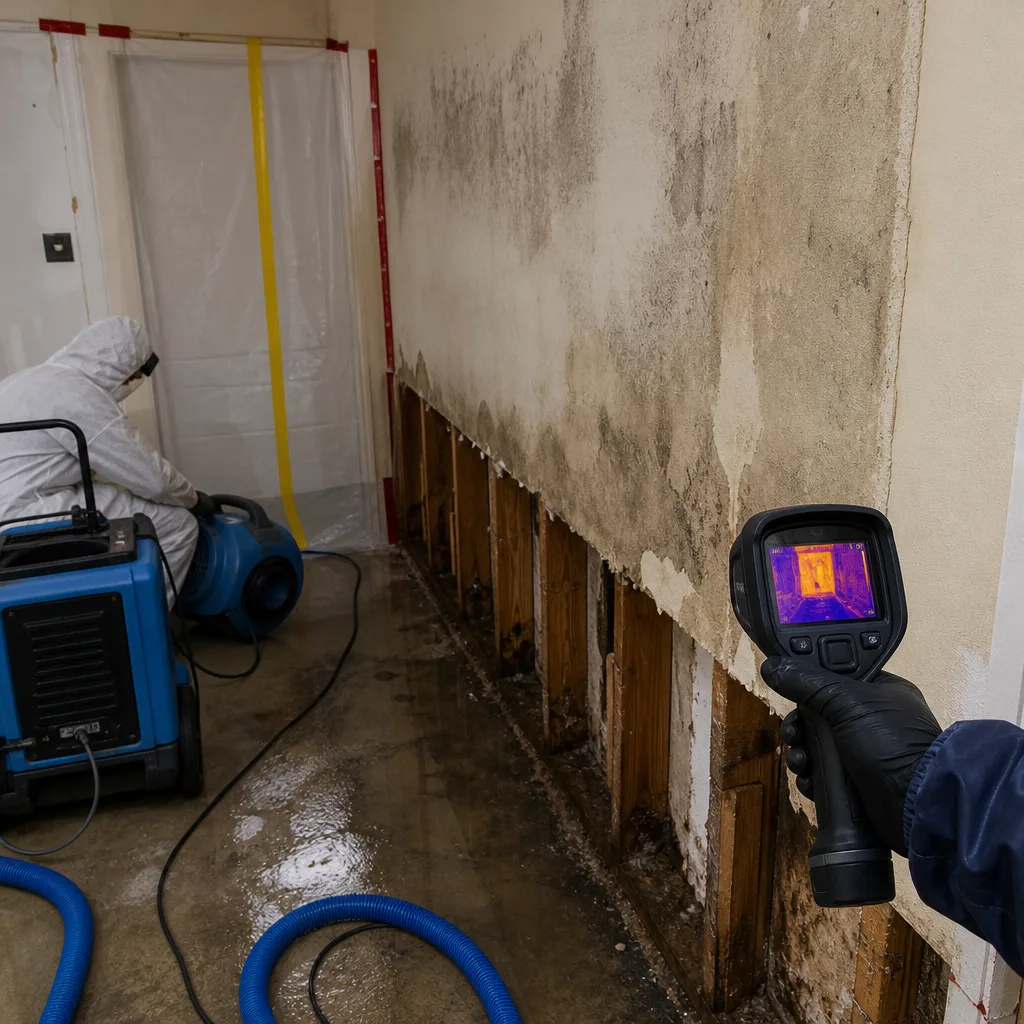
What the job involves here: containment with negative air, HEPA air scrubbing, removal of affected drywall or insulation, structural drying where the sheathing reads wet, antimicrobial treatment, and air quality verification. On these hillside lots, the exterior wall cavity often holds moisture the interior never shows, so we probe from the outside and check the stucco weep screed before we say the room is dry.
You need this when a musty smell follows rain, when a window condeates heavily on the early dual-pane frames, or when a ceiling stain returns after the first repair. Do not wait until the HVAC system spreads spores through the whole floorplate – an attic-source job costs more than a wall-source job every time.
Attic & Roof-Deck Source Removal
Portola Hills attics sit above tile roofs with underlayment from the late 1980s and 1990s. When that felt paper fails at a pipe boot or valley, the deck saturates and mold colonizes the sheathing. We find it with moisture mapping, then dry the sheathing in place with Injectidry panel systems before treating the framing. This preserves more of your roof deck and skips the tear-out a generalist would quote.
Wall Cavity & Stucco Intrusion Treatment
Graded lots mean rain sheets down toward downhill homes. That water wicks into stucco-over-sheathing assemblies and saturates wall cavities from the outside in. A plain interior moisture check reads dry; our exterior probing finds the saturated cavity. We treat it from the source, then re-seal the stucco penetrations that let the water in.
Bathroom Mold Removal in Portola Hills
Bathroom mold removal in Portola Hills costs between $700 and $1,900 for a standard contained removal, depending on whether the growth is surface-level on drywall and grout or the framing behind the shower valve has been wet for months. Late-1980s and 1990s tract bathrooms here were built with limited ventilation, and the original exhaust fans – if they work – are underpowered for the steam load these families generate.
The job itself: we contain the bathroom, remove affected drywall, dry the framing, treat the cavity, and re-set the room with a written recommendation for ventilation. A bathroom that grows mold once will grow it again unless the airflow changes. We’re blunt about that.
Steam-Load Mold Behind Showers & Tubs
The most common bathroom mold source in Portola Hills is the gap between the shower surround and the framing behind it. Grout ages out, water gets behind the tile, and the wall cavity stays warm and wet. We open the wall from the non-wet side when possible, dry the studs, and treat the cavity so you’re not remodeling twice.
HVAC Ducted Bathroom Fans & Return Air
Some Portola Hills floorplans route bathroom exhaust through the HVAC return chase. An underperforming fan sends moisture up through the chase, and mold grows inside the return before you ever see it in the bathroom. We camera-check the chase and HEPA-clean the return when the fan has been weak for years.
Trusted Brands We Service in Portola Hills
We’re brand-agnostic when it comes to the equipment we run on your house, but we’re specific about what we trust: Dri-Eaz for dehumidification, Phoenix for air movers, XPOWER for negative air and scrubbing, B-Air where the job needs it, and Injectidry for cavity-drying the wall and roof assemblies that dominate Portola Hills mold work. These are the brands commercial restoration engineers specify, not rental-counter units. For most Portola Hills jobs we can dispatch from our Newport Beach shop the same day you call, and our techs know the hillside floorplans well enough to know which attic access point actually reaches the wet deck. One credentialed contractor, start to finish. That’s the difference.
See the difference
 Before
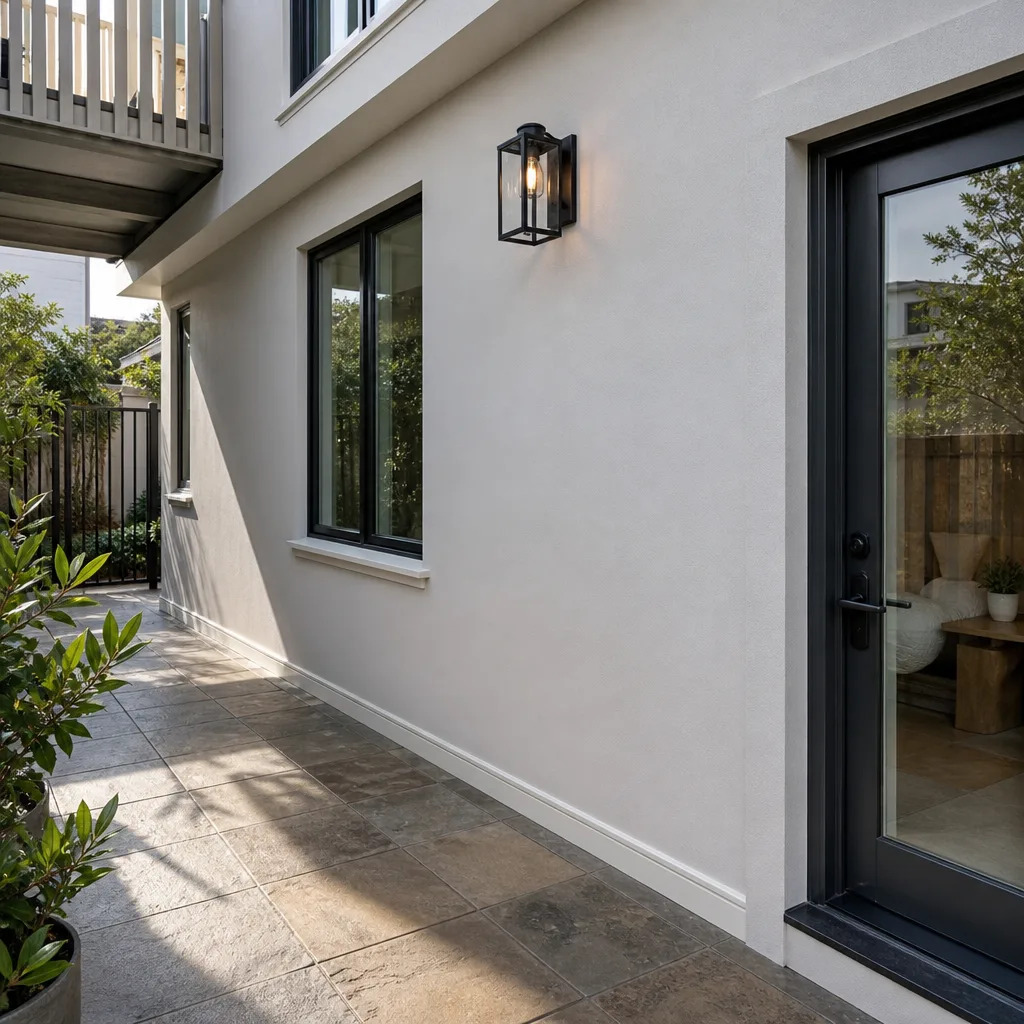 After
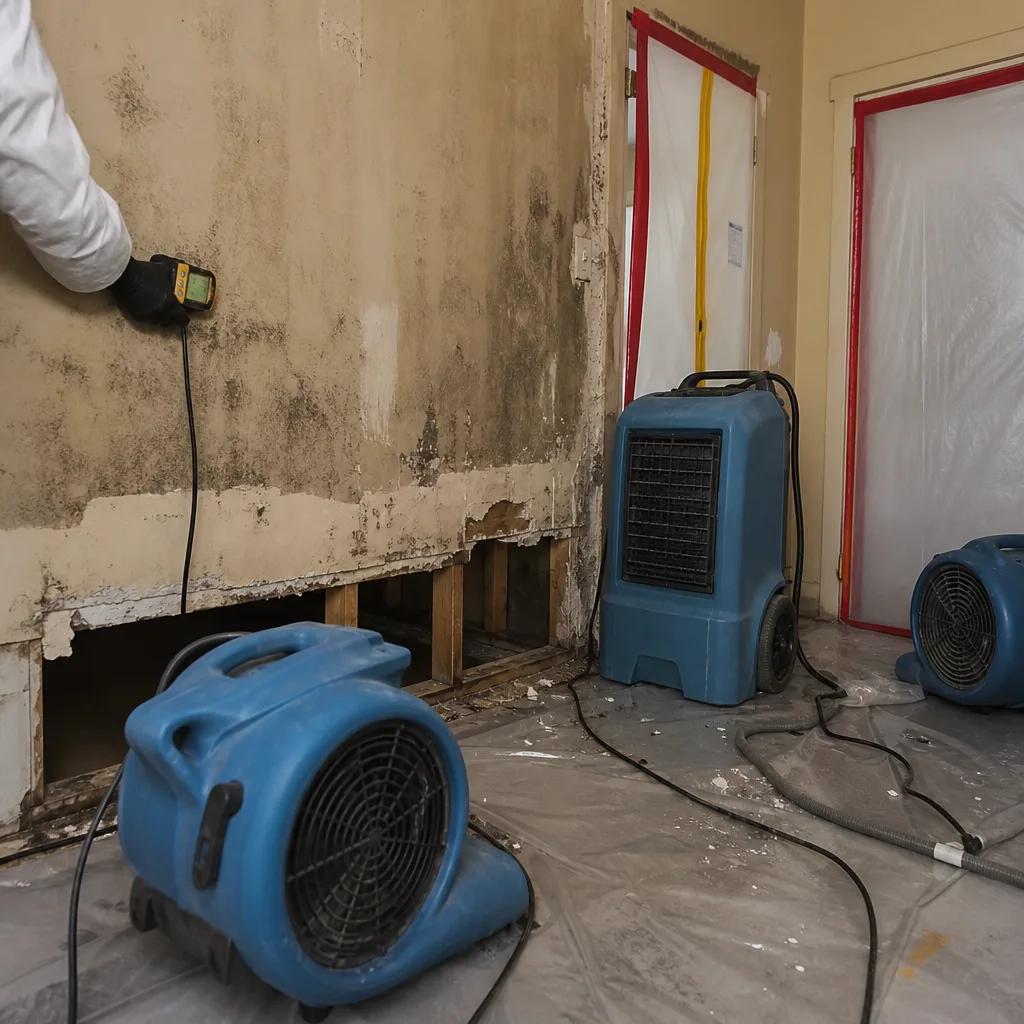 Before
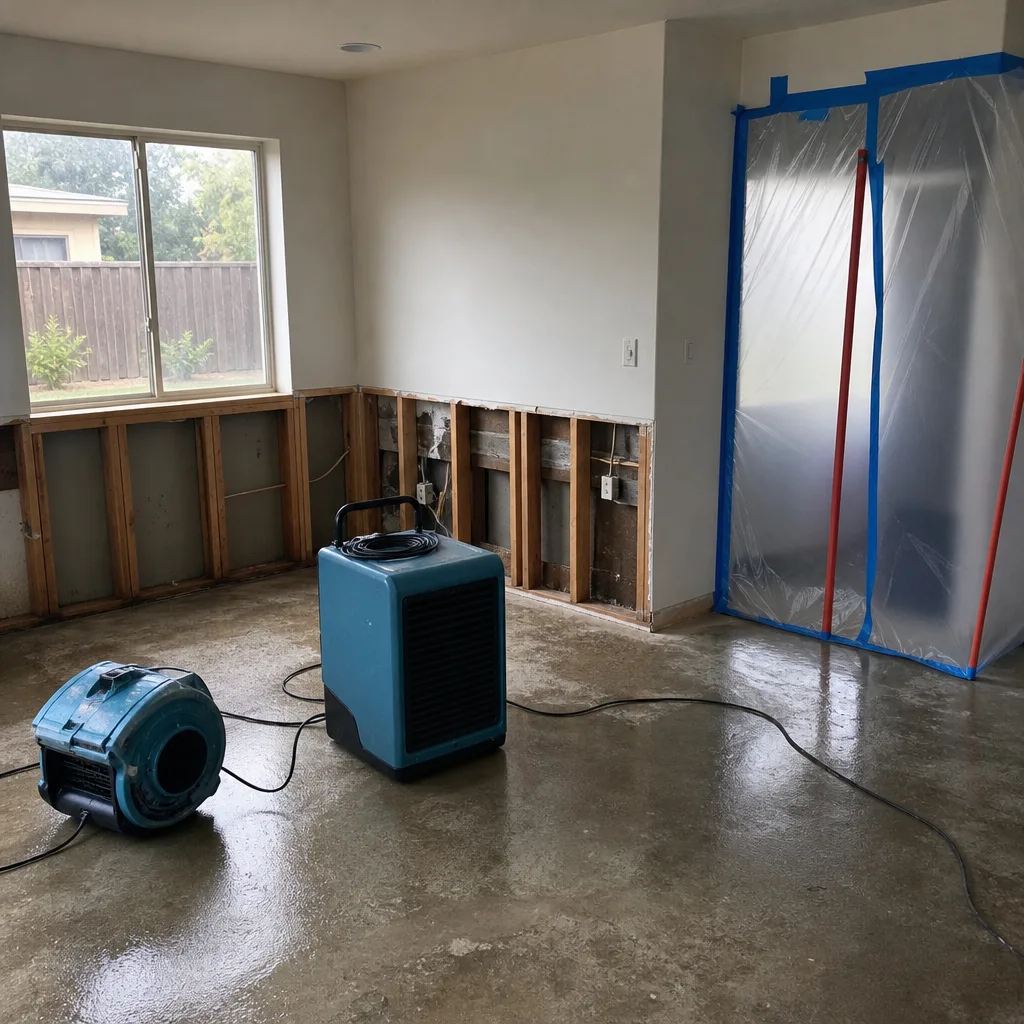 After
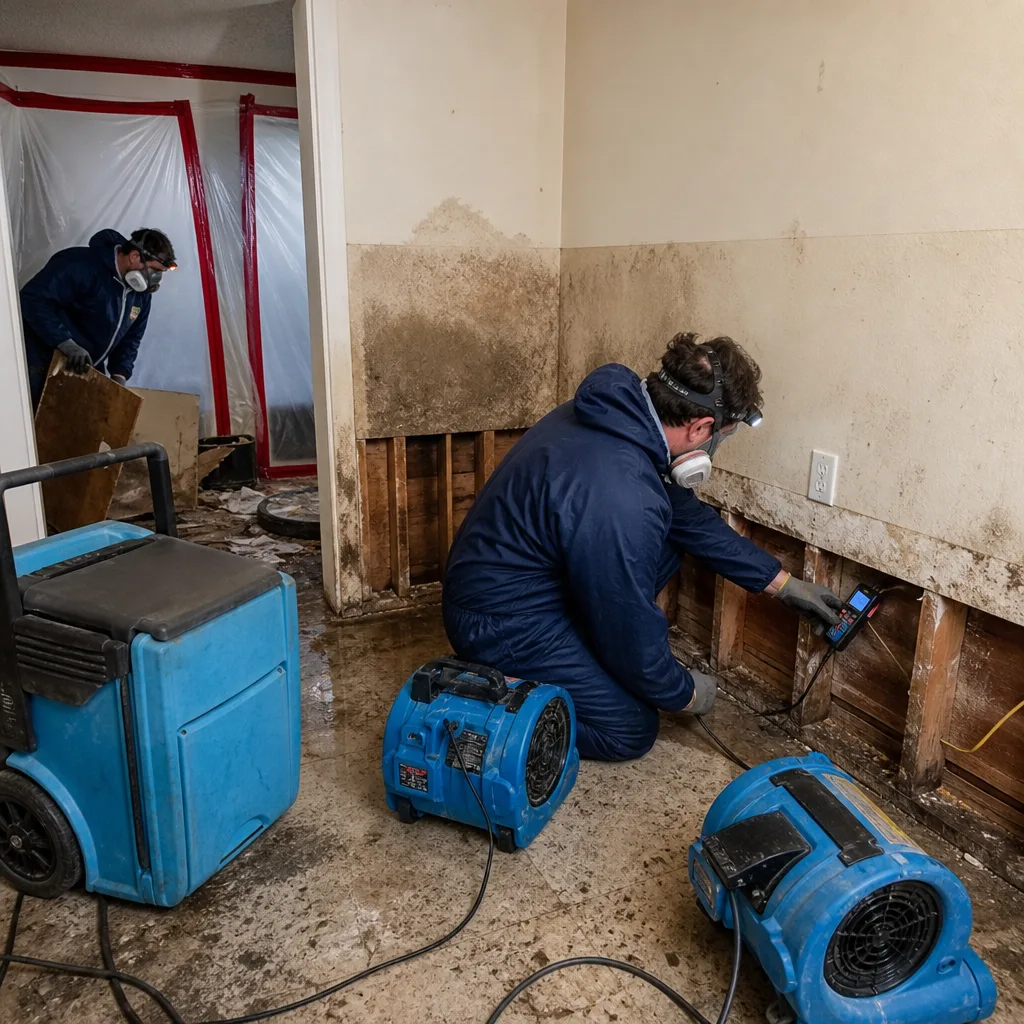 Before
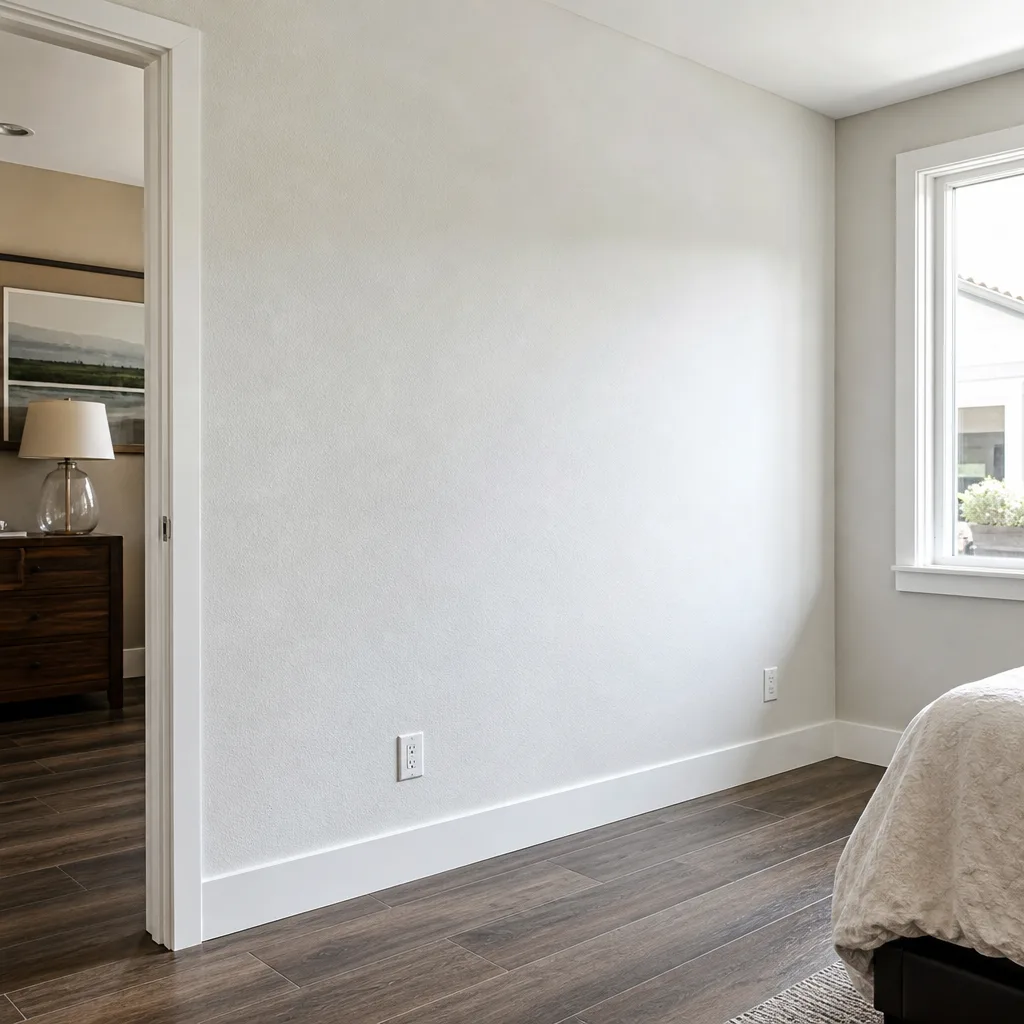 After
Common Mold Remediation Problems We See in Portola Hills Homes
- Aged tile-roof underlayment saturating the attic deck. The felt and battens installed under your concrete tile in the 1990s have a lifespan of roughly 20 to 25 years, and most Portola Hills roofs are past that. A winter storm water-tests the deck; mold starts in the sheathing and shows up as a musty HVAC return.
- Stucco-over-sheathing wall cavities wet from graded-lot runoff. Rain that sheets down Saddleback Ranch Road and the cross-streets wicks into downhill walls. Interior moisture meters read clean because the water is on the outside of the framing – until the mold is already established inside the cavity.
- Santa Ana fire-season ash settling into attic insulation and HVAC returns. Ash from the brush and open space above the 241 toll road carries acidic particulates that bond to attic dust. Add humidity and the organic load becomes a mold niche in the insulation itself.
- Original single-pane and early dual-pane windows running interior condensation. Cool winter nights against warm interior air send condensation down the glass and into the stucco reveal. Over years that sill-side moisture feeds mold behind the casing before you see anything on the wall.
Pricing for Mold Remediation in Portola Hills, CA
Here’s what we actually see on Portola Hills jobs: bathroom mold removal runs $700 – $1,900. Single-room contained removal runs $1,800 – $4,500. Whole-attic deck remediation from failed underlayment runs $4,000 – $9,000, and that includes Injectidry drying of the sheathing, HEPA air scrubbing, and antimicrobial treatment. Wall-cavity work across multiple rooms on a downhill slab – the stucco-intrusion jobs – typically lands between $3,500 and $8,000 depending on how many exterior walls read wet.
What moves the number: whether the framing is actually wet (not just surface growth), how much containment the floorplan requires, and whether the HVAC system needs cleaning. We provide a written scope before any work starts, with line items and photo documentation for your adjuster. Call (855) 855-9631 for a free estimate – we’ll tell you honestly whether you need remediation or a ventilation fix first.
We Also Serve Cities Near Portola Hills
Guild Water Damage works across the Saddleback foothills and south Orange County. Beyond Portola Hills, we run full Mold Remediation crews into Foothill Ranch, Lake Forest, Mission Viejo, and Trabuco Canyon. Same Hillside construction patterns, same tile-roof underlayment issues, same IICRC-certified process. Call us from any of those cities and you get the same Guild standard.
Serving Portola Hills, CA — Our Local Coverage Area
We’re based in the Portola Hills area and know this community well. Use the map below to see our service coverage — if you’re nearby, we can almost certainly help.
FAQs About Mold Remediation in Portola Hills
Because the ceiling stain was wiped but the attic sheathing above it is still wet. In Portola Hills, the real source is almost always failed tile-roof underlayment saturating the roof deck, and no amount of surface cleaning fixes a wet deck. We moisture-map the attic and dry the sheathing before any antimicrobial treatment goes on. If a previous crew didn’t open the ceiling or map the attic, they treated the symptom, not the source. Call (855) 855-9631 and we’ll map the deck before we quote anything.
Yes. Ash from the open space above the 241 toll road settles in attics and HVAC returns, and the acidic particulates bond with attic dust to form an organic layer that feeds mold when humidity rises. Homes that were never “wet” still get mold inside attic insulation after a close brush fire. We clean the attic and HEPA-scrub the return, then verify air quality before we walk away.
Mold colonization begins within 24 to 48 hours of the sheathing or drywall getting wet and staying wet. The problem on graded lots is that water keeps sheeting toward downhill walls during every storm, so the material never dries on its own. If you smell something musty after a wind-driven rain, the clock is already running. We can be at a Portola Hills address the same day you call for emergency extraction and drying assessment.
Yes. Original windows from the late 1980s and 1990s run interior condensation on cool nights, and that water runs down into the stucco reveal and rots the casing substrate. Over years the sill-side wall cavity gets wet enough to feed mold behind the casing, where you can’t see it without pulling trim. We’ll check the sill and the reveal when we’re inspecting any bathroom or bedroom near an original window.
Expect containment barriers in the vaulted hallway, negative air pressure to keep spores from spreading, and Injectidry panel drying on any wet sheathing we find in the roof assembly. The vault makes access tighter, so we work from the attic side when possible and preserve the ceiling drywall. You should also expect a written scope that tells you which walls read wet and which ones don’t, then a photo-documented final verification. We handle this floorplan regularly – it’s not a mystery to us.
Written by Noel Hargrove, Owner at Guild Water Damage, serving Portola Hills and the Saddleback foothills with IICRC-certified mold remediation, water damage restoration, and fire damage restoration.