 Water damage drying
 Fire & smoke cleanup
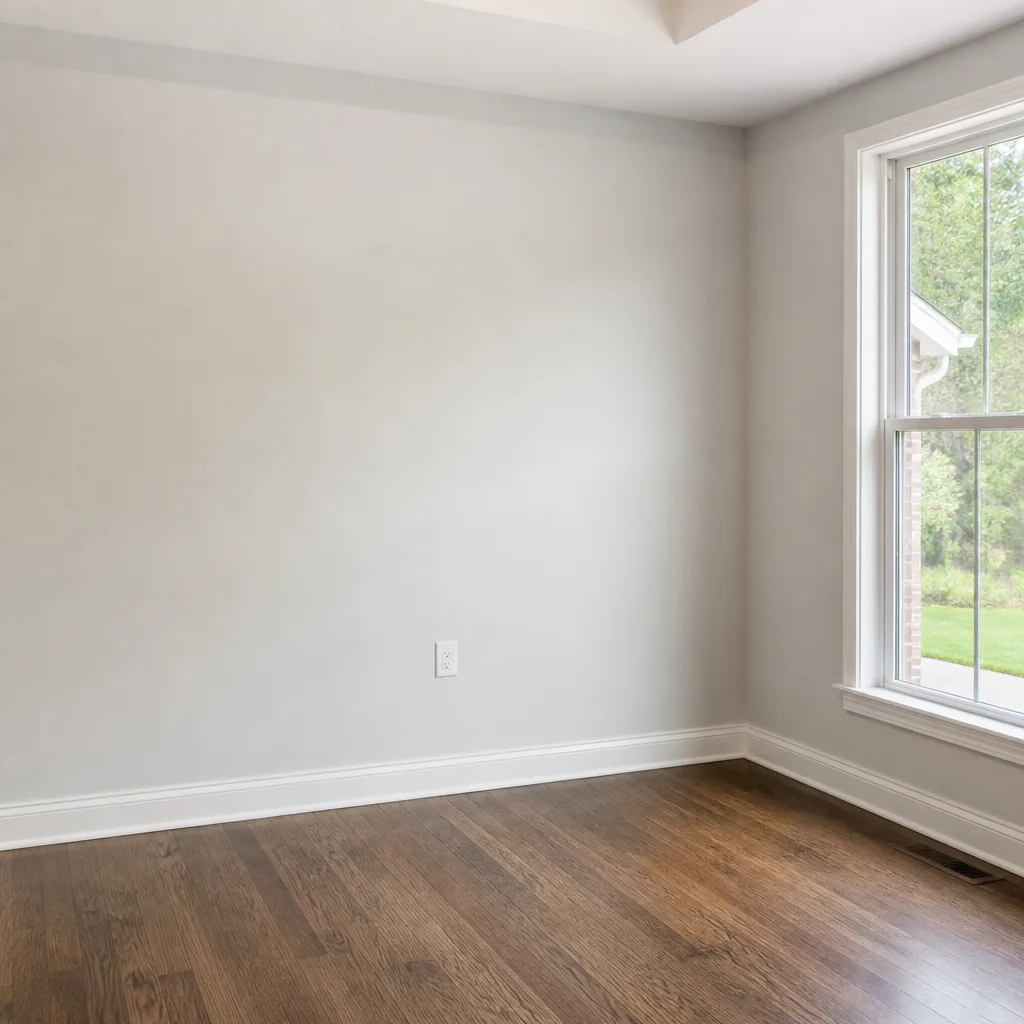 Mold remediation
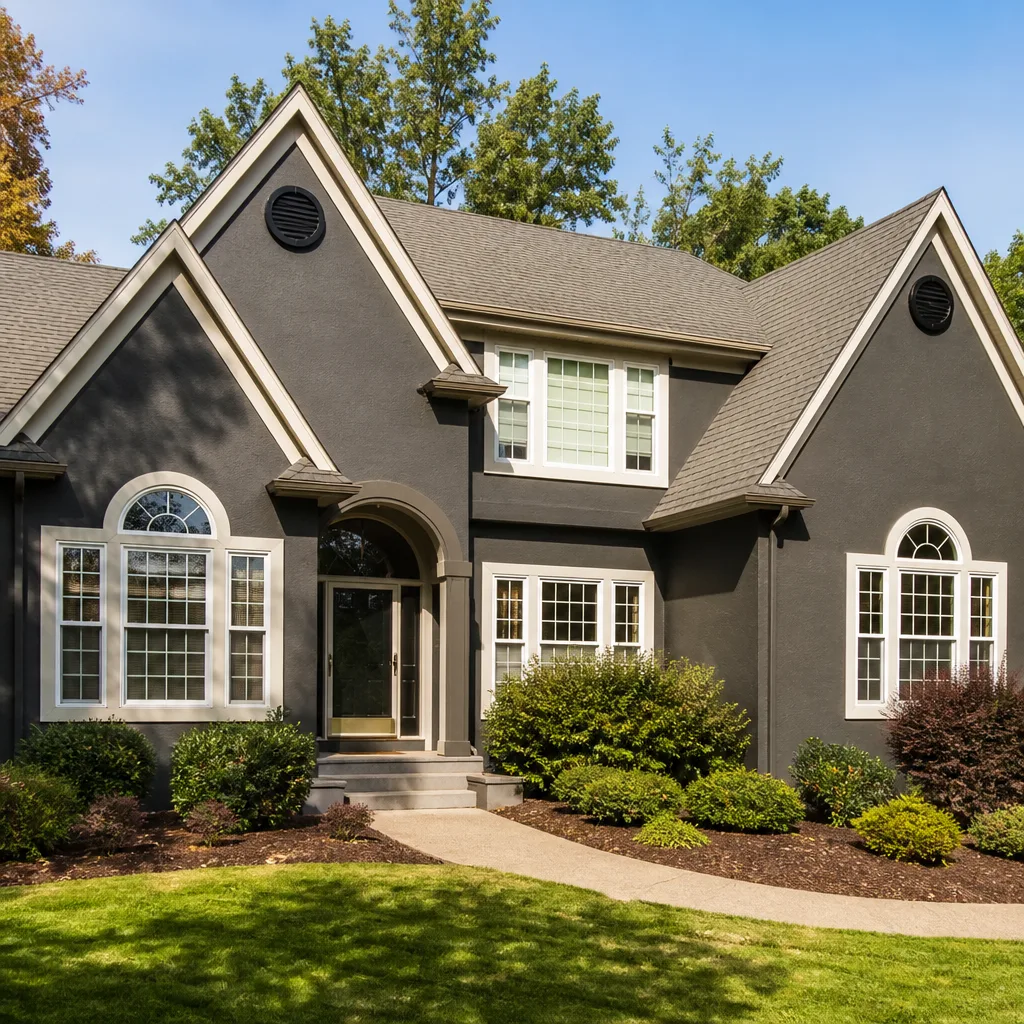 Storm response
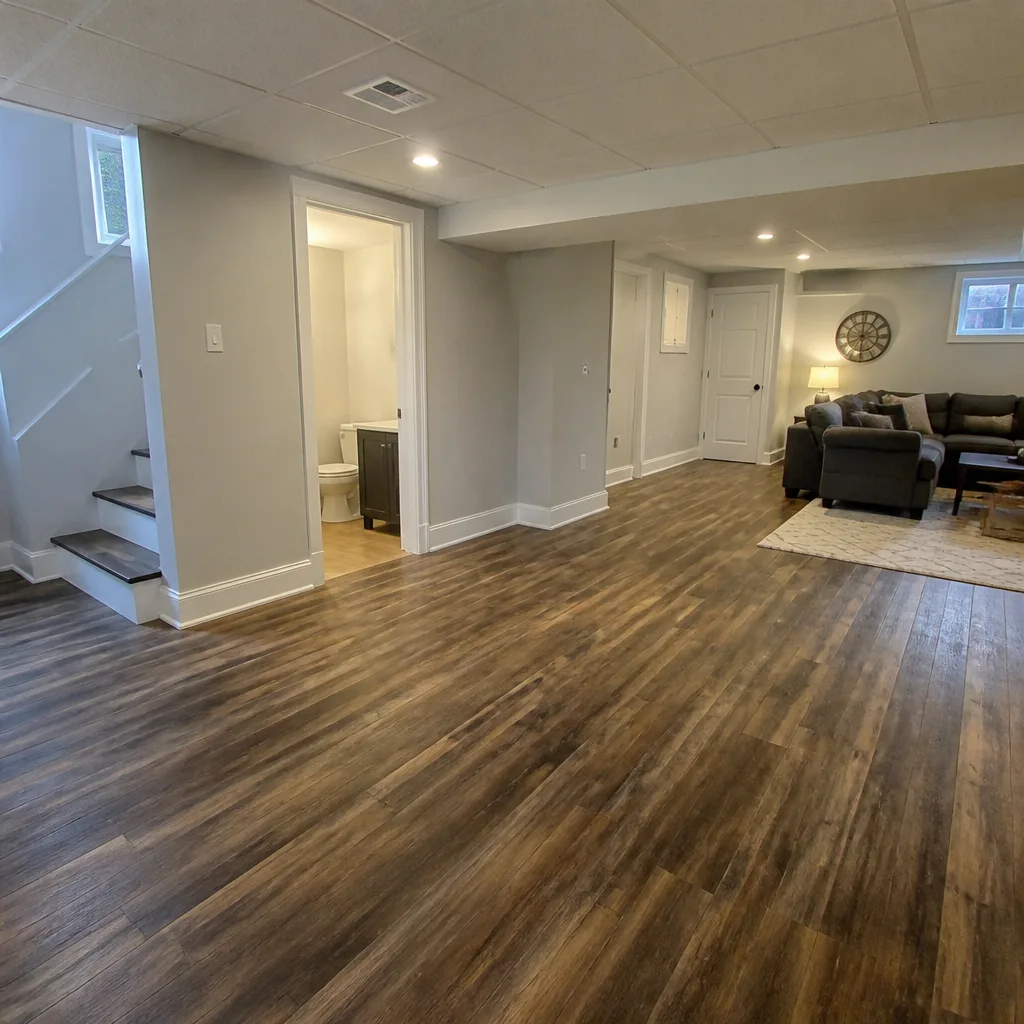 Sewage cleanup
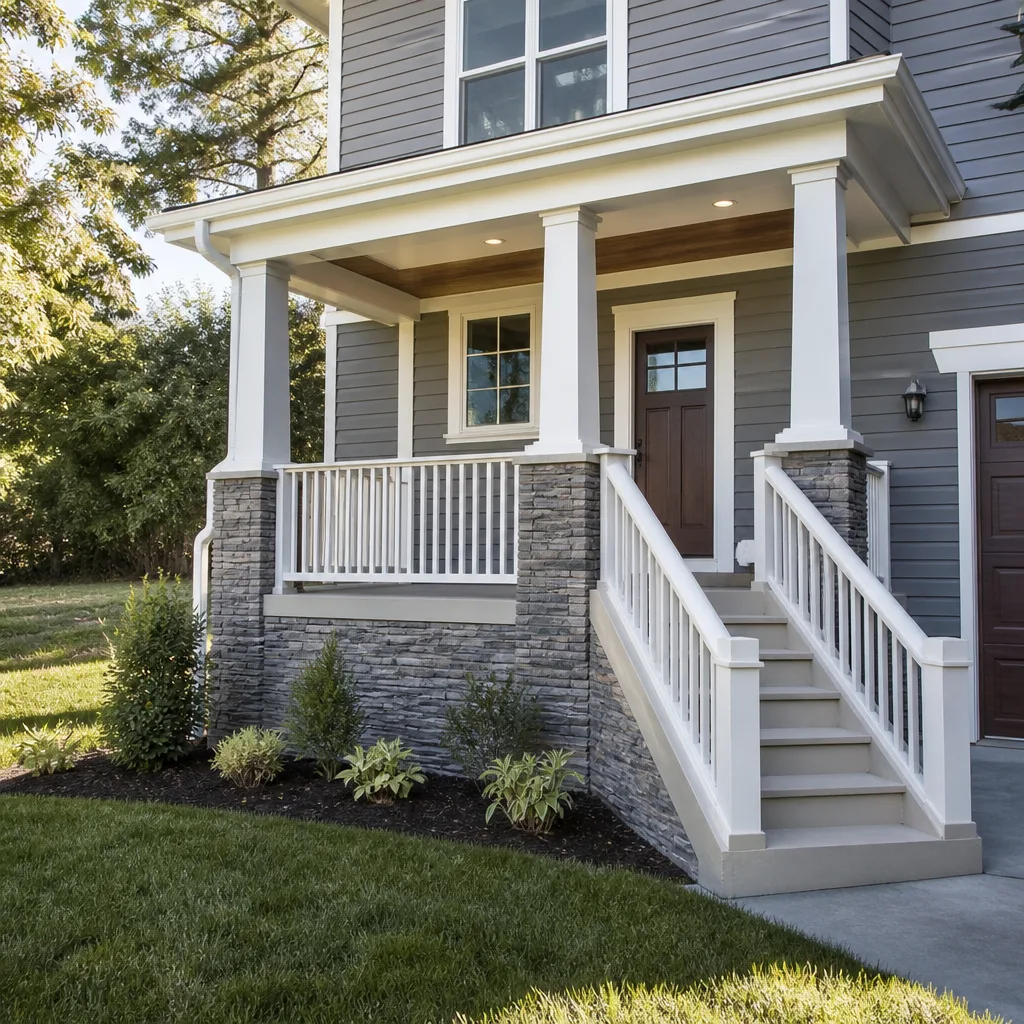 Reconstruction
Free visual inspection and a written scope of work before any mitigation begins - photos, moisture readings, and drying logs go in your claim file
The scope we write is the scope we bill. Anything new gets shown to you, in writing, before we touch it.
Get your free estimateFast, Reliable Water Damage Restoration Across Corona
Water damage in a Corona home rarely announces itself politely. It shows up as a warm spot on tile, a water bill that doubled between March and April, or drywall that puckers along the baseboard a week after the last rain. Guild Water Damage responds to water losses across Corona, from the older Circle City tracts in 92879 to the master-planned communities stretching east through Dos Lagos and beyond. Our crews know the 91 corridor, the Santa Ana wind patterns, and the specific way slab-on-grade construction fails under inland heat. If water is moving through your home right now, call (855) 855-9631. We’ll walk you through the first 30 minutes while dispatch routes a crew to your neighborhood.
Why Guild Water Damage Is Corona’s Preferred Water Damage Restoration Company
Corona homeowners call us after the first bad surprise, but they stay with us because of what the documentation shows. Every project runs on the Guild standard: a written scope, photo documentation, daily moisture readings in a drying log, and a final report your adjuster can actually use. That matters in a city where half the homes are 10 to 20 years old and insurer questions about “pre-existing conditions” are routine. Our Water Damage Restoration process is IICRC-certified, which means the drying math, the equipment placement, and the antimicrobial protocols follow published industry standards rather than a tech’s intuition.
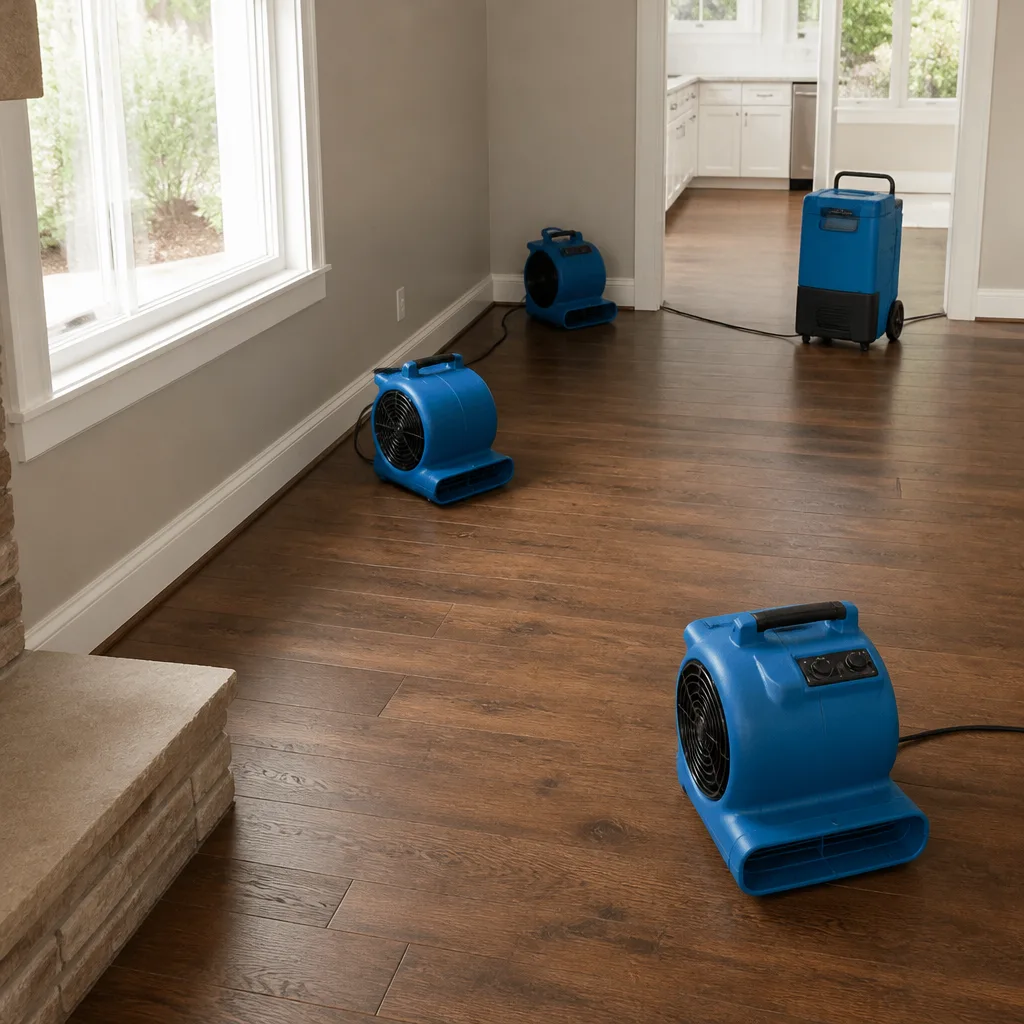
Noel Hargrove, who leads our restoration operations, built the Guild process around one conviction: a water loss in Corona should be handled with the same rigor as a commercial loss in Newport Beach. That means Dri-Eaz dehumidifiers and Phoenix air movers, not rental-shop fans. It means Injectidry mats when a slab leak wicks under hardwood flooring and we’d rather dry than demo. It means showing you the moisture map on day one and the drying curve on day three. We don’t ask you to trust us. We hand you the numbers.
Corona’s specific failure modes require local fluency. A crew that mostly works coastal cities will misread an east-side slab leak as a roof issue and lose two days. Our technicians know that a warm tile floor in 92880 is usually an under-slab supply line, not a roof intrusion. That diagnosis speed is the difference between a three-day drying project and a two-week pack-out.
Restoration work we handle
Flooded Basement in Corona
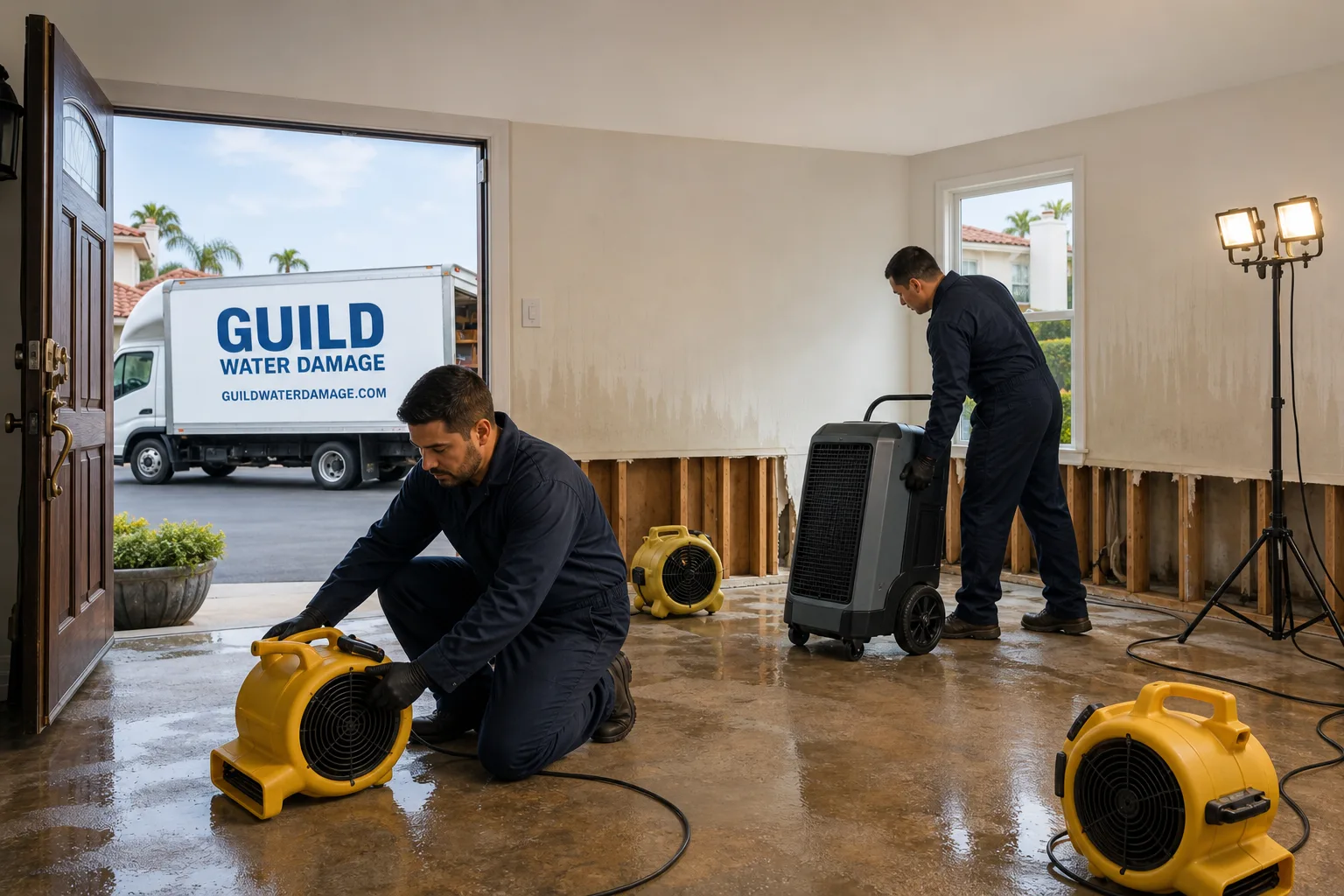
Flooded Basement calls in Corona are different from what you’d expect in the Midwest or the Northeast. Most of Corona’s east-side master-planned homes, the ones built after 2000 in the 92880, 92881, and 92883 ZIP codes, sit on slab-on-grade foundations with no basement at all. When a Corona homeowner says “flooded basement,” they typically mean a below-grade garage, a sunken living room, or a ground-floor room that’s taken on water from a failed supply line or a wind-driven rain event. The job is the same at its core: extract the standing water, map the moisture, contain the affected area, and dry the structure to pre-loss moisture content. Where it differs is in the diagnosis. In Corona, a flooded lower level usually traces back to an under-slab leak, a builder-grade stucco failure on a windward wall, or a roof underlayment breach that let water run down an interior chase.
Diagnosing the Water Source Before Extraction Starts
We don’t drop equipment on wet carpet and hope the source is obvious. Our techs run a pressure test on domestic water lines, check the water heater location for a failed pressure relief valve, and inspect exterior walls for wind-driven intrusion before the first pump goes down. On a recent Dos Lagos job in 92883, the visible water was in a ground-floor bedroom, but the source was a pinhole leak in the under-slab copper supply line 17 feet away. If we’d extracted and dried without fixing the supply, the floor would have re-flooded within a week.
Drying Slab-On-Grade Without Tearing Out the Floor
Because Corona’s slab homes have no subfloor cavity, moisture from a flooded room wicks into the slab itself and travels laterally. That’s where Injectidry mats come in. We place them over the affected flooring, seal them, and pull a vacuum that draws moisture up through the slab and out through the mat. The result is structural drying that preserves the original flooring in most cases. Full flooring replacement is a last resort, not the default.
For a below-grade or ground-floor flood in Corona, emergency extraction and drying typically runs $1,800 to $3,400 for a single room, with larger multi-room losses ranging from $4,500 to $8,000 depending on equipment days, containment, and antimicrobial treatment scope.
Water Extraction in Corona
Water Extraction in Corona usually starts with a panicked call about a burst supply line, a failed water heater, or a monsoon season flash flood that pushed water under an exterior door. The goal in the first hour is straightforward: remove standing water before it migrates into walls, cabinets, and the slab. Our extraction crews run truck-mounted and portable extraction units, not shop vacs, and they pull hundreds of gallons per hour from flooded rooms. Speed matters because Corona’s dry air and heat will wick moisture into adjacent materials quickly, but that same heat creates a secondary problem: once water sits for even 24 hours in a 90-degree interior, microbial growth accelerates fast.
Containment and Extraction on the First Visit
We bring containment on the first truck, not the second. The moment extraction starts, we isolate the affected area with plastic sheeting and negative air pressure, so dust and aerosolized moisture don’t migrate into clean rooms. This matters in Corona’s open-plan east-side homes where kitchen, living room, and hall share air space, and where HVAC systems running against 100-degree summer heat will spread humid air through the entire footprint within hours.
When Water Extraction Becomes a Pack-Out
If water stood for more than 48 hours, if it wicked behind baseboards and into lower cabinets, or if the drywall is saturated above 24 inches, extraction alone won’t do it. In those cases we perform a content pack-out: inventorying, photographing, and moving affected belongings into a secure, climate-controlled space off-site while we dry and treat the structure. In Corona’s under-slab leak scenarios, pack-outs are common because the water travels invisibly through the slab for days or weeks before anyone notices. By the time the floor buckles, the bottom plates of adjacent walls are saturated too.
Water extraction alone in Corona, for a category 1 or clean category 2 loss confined to one room, typically costs $900 to $1,800. When extraction is part of a full structural drying project with containment, expect $2,500 to $5,500 depending on square footage and equipment days.
Trusted Brands We Service in Corona
Corona homeowners run Dri-Eaz dehumidifiers, Phoenix air movers, and XPOWER ventilation units that came from our fleet, not a big-box rental counter. We service what we install, and because we stock replacement filters, belts, and consumables in our warehouse, we don’t wait on backordered parts when a drying project in 92880 needs a dehumidifier swapped at 9 p.m. That same logic applies to the larger restoration brands we work alongside. Our RIA membership and IFA affiliation mean we coordinate with insurers and third-party administrators on the same professional terms they expect from national firms, while operating as a local contractor who knows the difference between a Circle City stucco failure and a Dos Lagos roof-deck intrusion.
See the difference
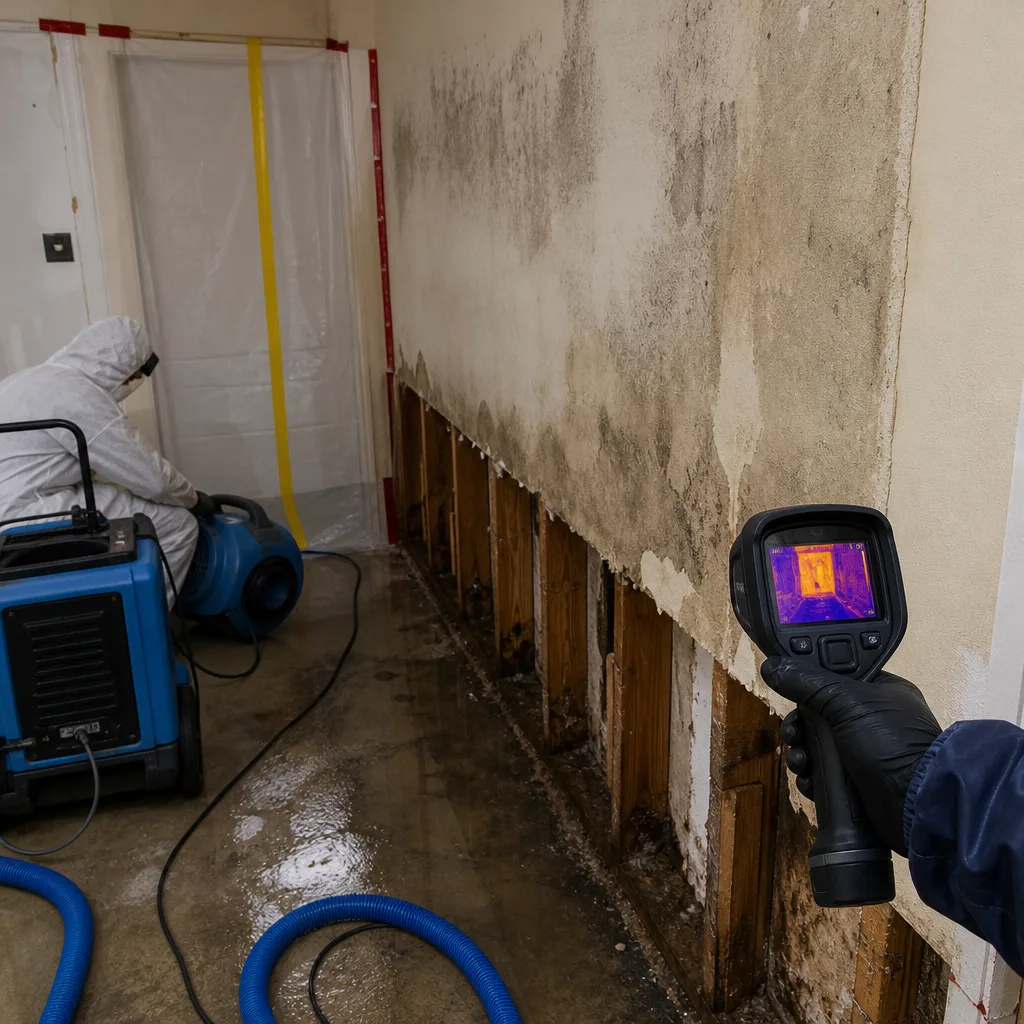 Before
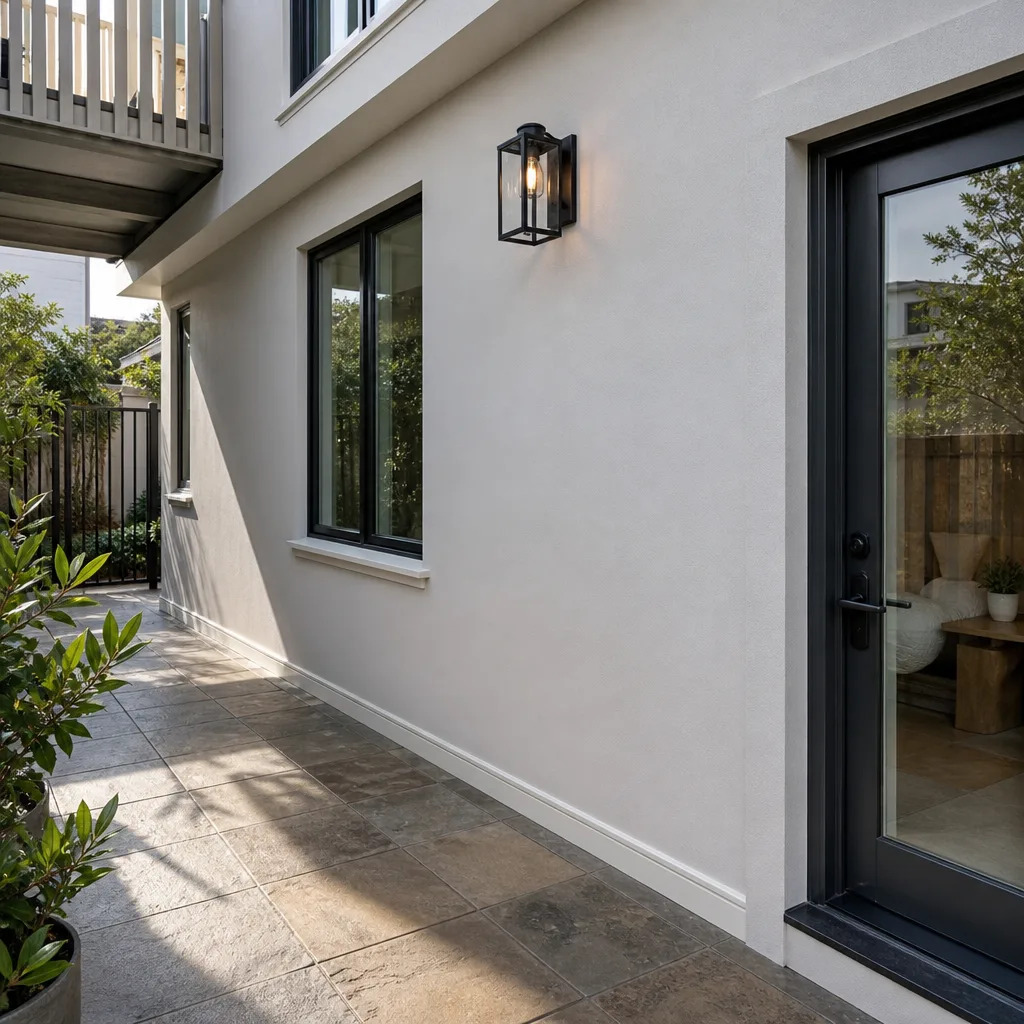 After
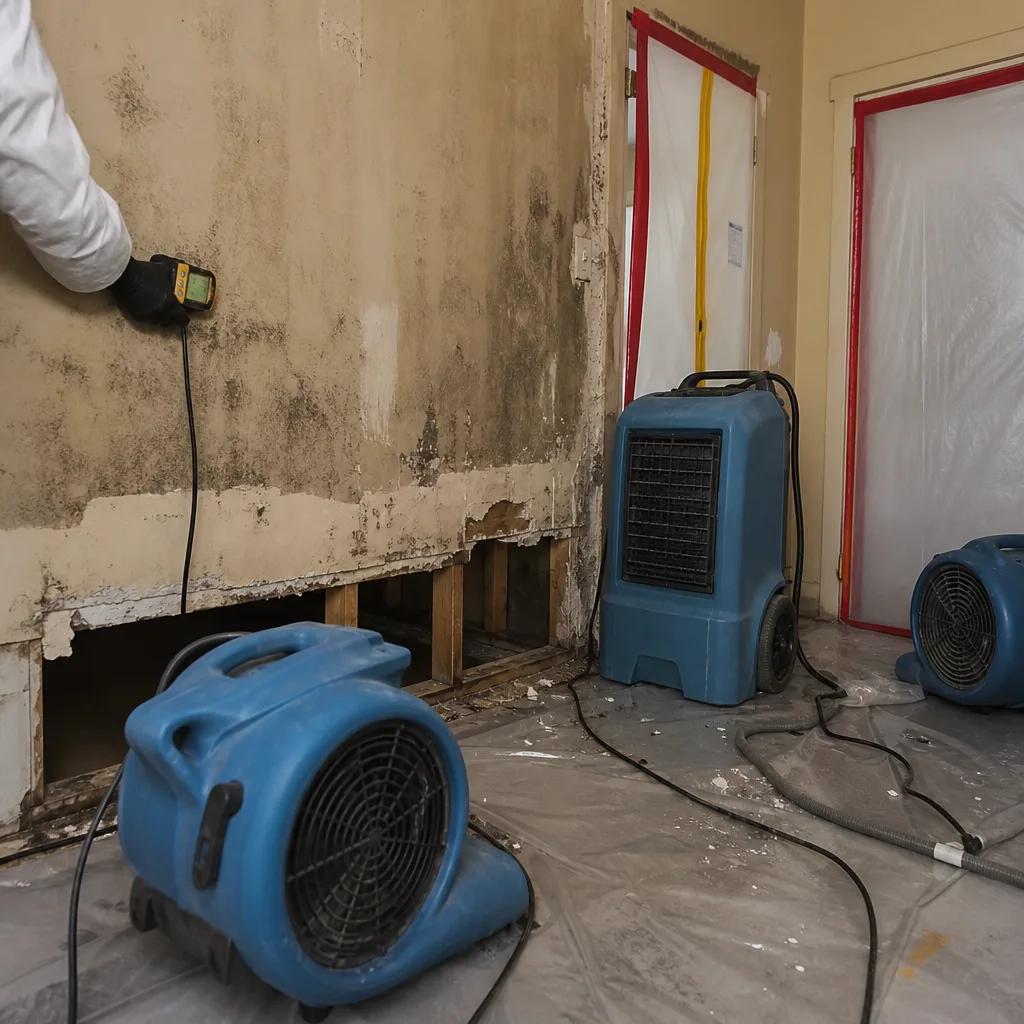 Before
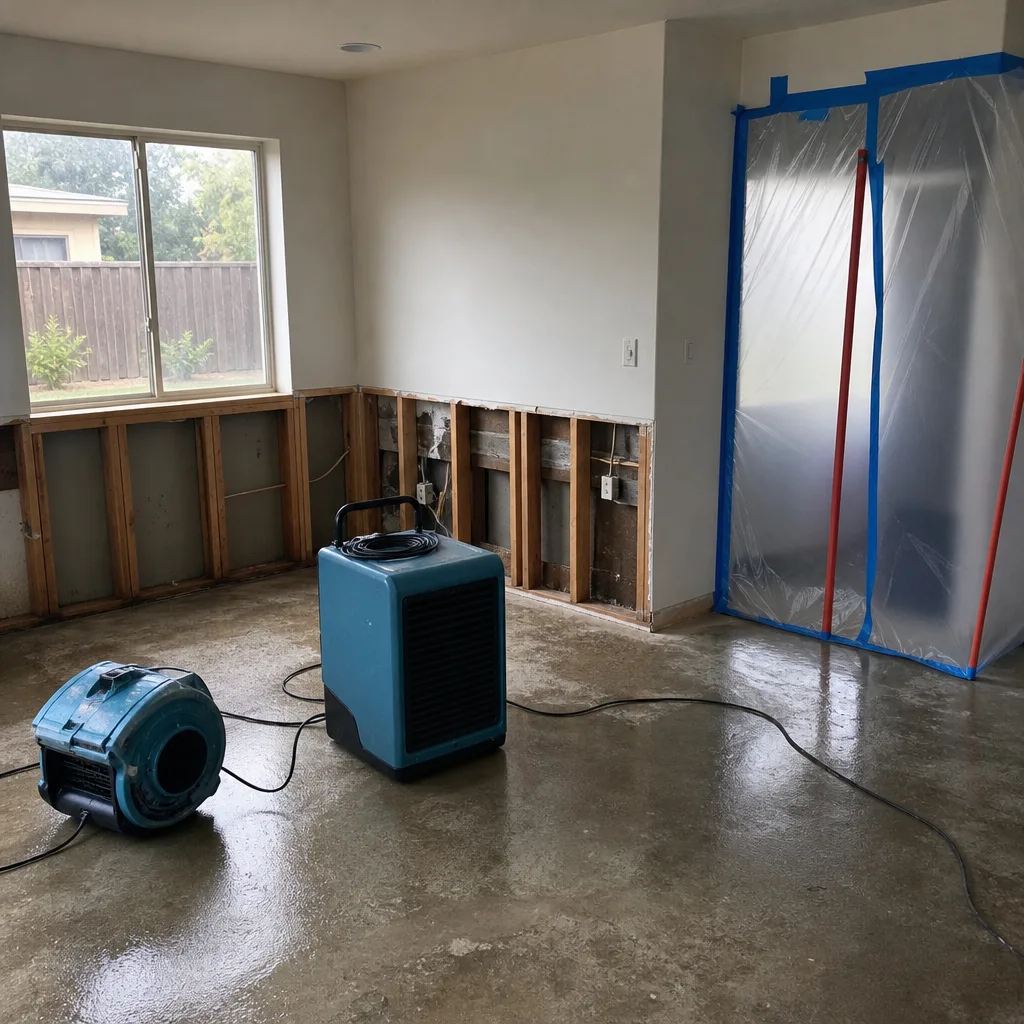 After
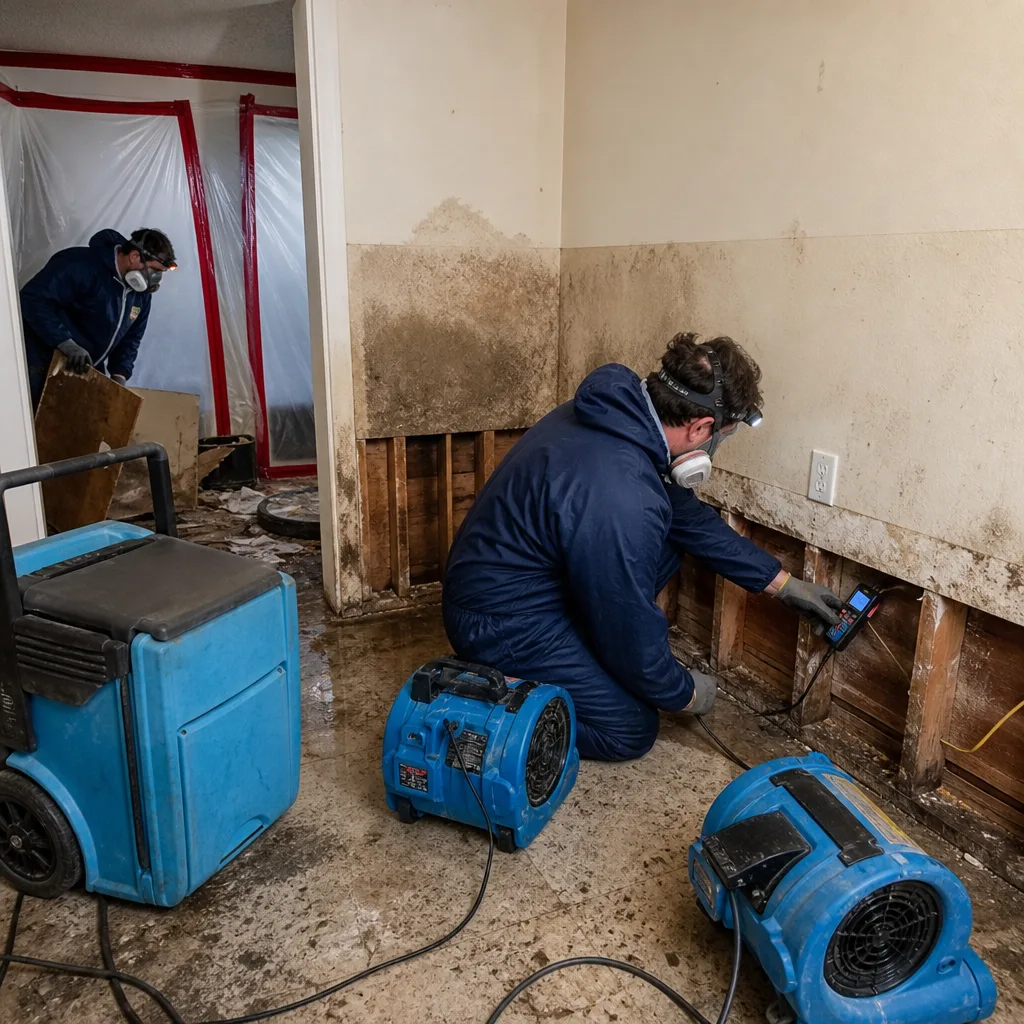 Before
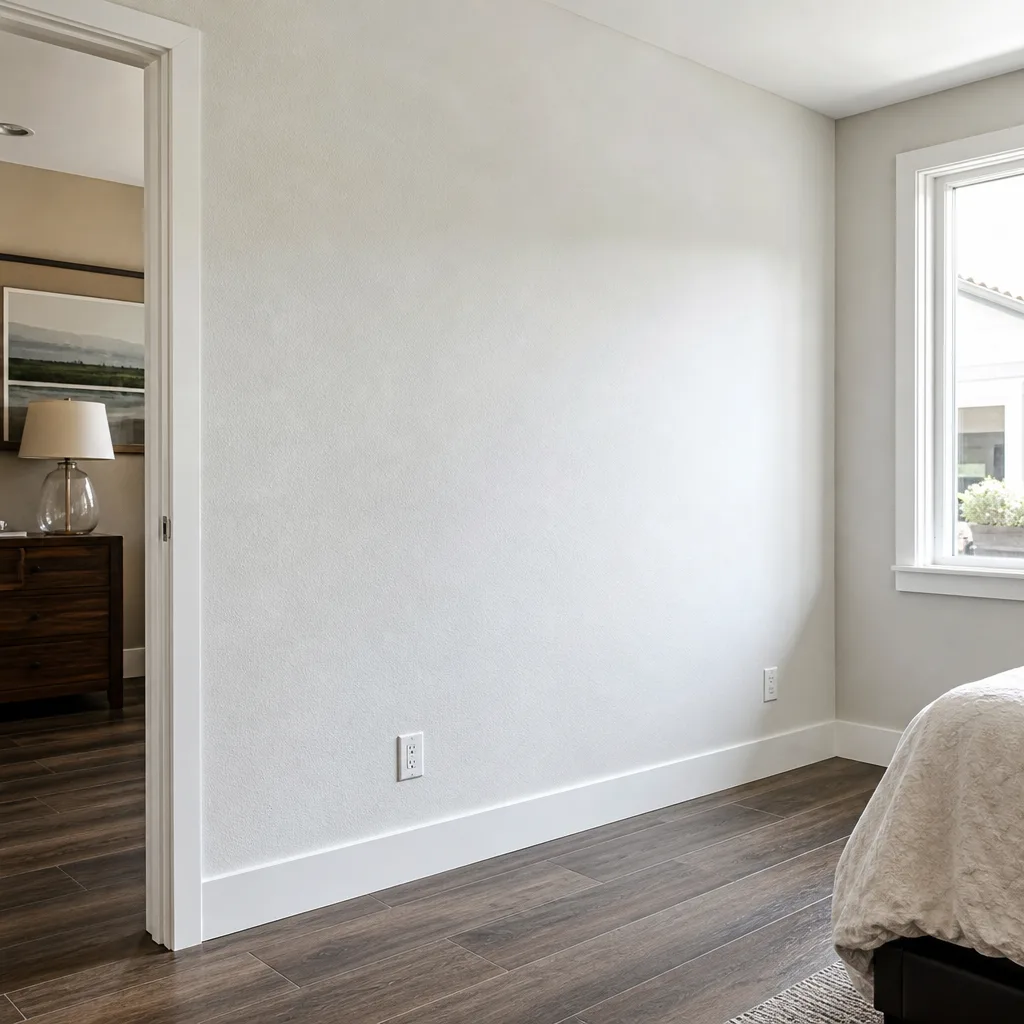 After
Common Water Damage Restoration Problems We See in Corona Homes
- Under-slab supply-line pinholes in east-side slab homes. Copper lines under concrete expand and contract with Corona’s 40-degree daily temperature swings throughout the dry season. Over 10 to 15 years, that work-hardening creates pinholes that leak for weeks before anyone sees water. By the time a homeowner in 92880 finds the warm spot on the tile, moisture has already wicked into the bottom plates of surrounding walls.
- Wind-driven rain intrusion through builder-grade stucco and roof underlayment. Santa Ana events push rain horizontally against west- and north-facing walls. The stucco on homes built during the early-2000s boom frequently lacks proper weep screed detailing, so water finds its way into the wall cavity and presents as a “roof leak” that isn’t one.
- Water heater failures in garage utility closets during cold-season startup. When Corona’s first cold snap hits after months of 100-degree heat, water heaters that sat idle in hot garages crack or blow their pressure relief valves. The water runs across the garage slab and into adjacent wall cavities before anyone notices.
- Monsoon-season flash flooding at grade-level entries. July and August storms drop intense rain in short bursts, and homes with negative lot grading or poorly sloped driveways take water under exterior doors. In east-side developments, this is often a developer-drainage issue that recurs with every significant monsoon event.
Pricing for Water Damage Restoration in Corona, CA
Honest numbers help you make a fast decision, and speed is the one thing you can’t buy back after a water loss. In Corona, a single-room water extraction runs $900 to $1,800. Full structural drying with equipment, containment, and daily monitoring for a slab-leak affected room averages $2,800 to $4,200. A multi-room interior flood from a burst supply line or wind-driven wall intrusion typically falls between $4,500 and $8,500. Under-slab leak repairs that require pack-out, drywall removal, and rebuild scope start around $7,000 and go up from there. The variables are square footage, water category, how long the water sat, and whether flooring can be dried or must be replaced. We give you a written scope with line-item ranges before any work starts, and we coordinate directly with your insurer. Call (855) 855-9631 for a free on-site assessment.
We Also Serve Cities Near Corona
Our crews run the 91 and 241 corridors, so Water Damage Restoration in Corona also puts us in Yorba Linda, Trabuco Canyon, Los Serranos, and Foothill Ranch within a short drive. Same Guild standard, same equipment, same documentation. If your property is in Riverside County along the 15 or you’re up in the foothills, call and ask; the service area covers more ground than most people expect.
Serving Corona, CA — Our Local Coverage Area
We’re based in the Corona area and know this community well. Use the map below to see our service coverage — if you’re nearby, we can almost certainly help.
FAQs About Water Damage Restoration in Corona
A 12-year-old slab leak in Corona is common, not unusual. The copper supply lines under your slab expand and contract with seasonal temperature swings, and Corona’s inland heat pushes that cycle harder than coastal cities. Over a decade, the metal fatigues and pinholes form. The fix is re-routing the supply line overhead or through the attic, which we coordinate with a licensed plumber, then drying the slab and affected flooring. Call (855) 855-9631 and we’ll walk you through what the first 48 hours look like.
Mold starts within 24 to 48 hours in Corona’s interior conditions, especially during summer when indoor temperatures hold above 85 degrees. That’s why we treat every category 2 or 3 loss with antimicrobial application as standard protocol, not as an add-on. If you’re inside the 48-hour window, call (855) 855-9631 and we’ll get containment set before the problem compounds.
Yes, in three specific ways. First, wind-driven rain pushes water horizontally into stucco and underlayment in ways normal rain doesn’t. Second, Santa Ana events can drive embers and smoke into attic vents, which means a water damage call sometimes comes with hidden smoke residue that requires separate containment. Third, the dry, hot wind accelerates evaporation from wet surfaces, which sounds helpful but actually dries the surface first and pushes moisture deeper into materials. We adjust our drying plans for wind-event losses accordingly. Call (855) 855-9631 for an assessment.
Category 1 comes from a clean source like a supply line or water heater. Category 2 contains some contamination, like dishwasher overflow or washing machine discharge. Category 3 is grossly contaminated, which in Corona typically means floodwater from monsoon storm runoff, sewage, or standing water that sat long enough to support microbial growth. The category determines the drying protocol, the antimicrobial scope, and what gets removed versus restored. We classify every job in writing before work starts. Call (855) 855-9631 and we’ll help you understand what you’re dealing with.
In most cases we can dry hardwood floors after a slab leak using Injectidry vacuum-mat systems that pull moisture up through the slab and out through the floor surface. The floor survives when the leak was caught before cupping or buckling became severe. The key variable is how long the slab was wet before you noticed. If the floor feels warm, looks wavy, or you smell a musty odor, don’t wait. Call (855) 855-9631 and we’ll do a moisture assessment and give you a straight answer on salvageability.
Ready to get water out of your Corona home? Call Guild Water Damage at (855) 855-9631 for a free estimate and a written scope before any work begins. We serve all of Corona, from 92877 through 92883, and our phone is answered by a person who knows the difference between an under-slab leak and a roof intrusion.
Written by Noel Hargrove, Owner at Guild Water Damage, serving Corona and surrounding Riverside County communities.